
sassoon dock fish market Mumbai
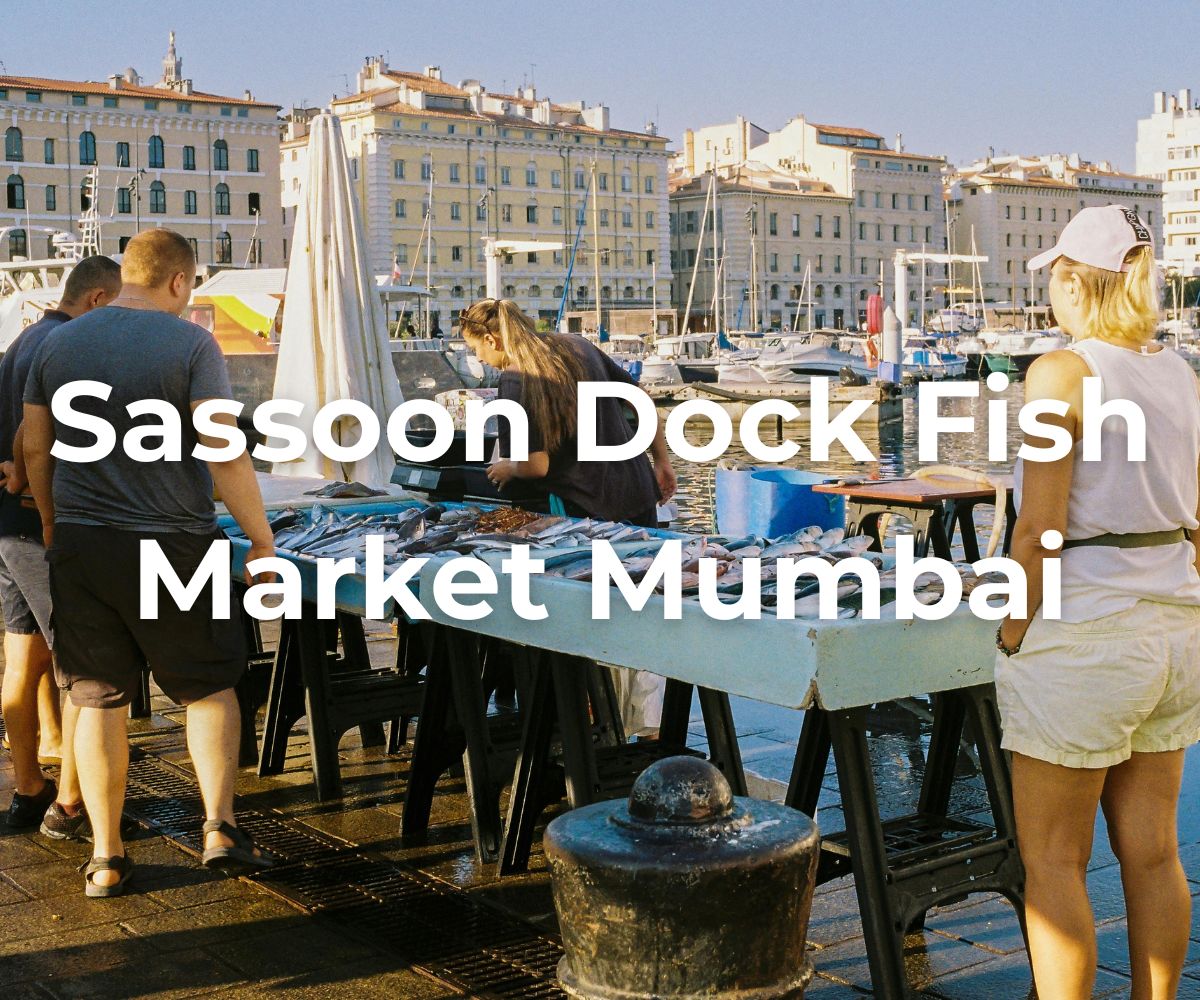
Description
Sassoon Dock Fish Market, Mumbai: History, Culture, Community & The Soul of the Arabian Sea
Mumbai is a city defined by contrasts—gleaming skyscrapers stretch into the sky while ancient traditions thrive at street level. Luxury malls stand a few kilometers away from century-old markets. Among these living legacies, Sassoon Dock Fish Market remains one of the most powerful symbols of Mumbai's maritime identity.
Established in 1875 and still bustling with unmatched intensity, this historic dock is more than a marketplace. It is a living ecosystem sustained by the Koli fishing community, an economic powerhouse that fuels the city's seafood supply, and a cultural canvas where tradition meets modern art.
To step inside Sassoon Dock at dawn is to witness Mumbai in its rawest form—loud, chaotic, colorful, pungent, and absolutely alive. The dock is not a polished tourist attraction, and that is exactly what makes it unforgettable. This detailed article explores the history, people, economy, art, challenges, and daily experiences that make Sassoon Dock one of Mumbai's most important cultural landmarks.
1. Historical Roots: A Dock with a 150-Year Legacy
Sassoon Dock was built in 1875 by the influential Sassoon family—Baghdadi Jewish merchants who rose to prominence during the 19th century. Their contributions shaped Mumbai's architecture, commerce, and public institutions. The dock, constructed on reclaimed land, was the first commercial wet dock in Western India, a milestone that solidified Mumbai's place as a major maritime hub.
From Cotton & Opium to Seafood
Originally, Sassoon Dock was built to support booming cotton trade operations. The American Civil War had temporarily disrupted the supply of cotton to Europe, making Bombay (Mumbai) a crucial exporter. Over time, as global trade patterns shifted and the larger Prince's Dock and Victoria Dock were constructed, the role of Sassoon Dock changed.
What emerged was its true destiny—a central hub for Mumbai's fishing industry.
In 1879, ownership transferred to the Bombay Port Trust, but the dock's identity as a fishing base only grew stronger. Today, even after 150 years of operation, Sassoon Dock remains one of the oldest continuously functioning docks in India.
2. The Koli Community: Mumbai's First Fisherfolk
Long before Mumbai became a global financial center, the Koli community lived on the seven islands that would eventually merge into one sprawling city. They are the oldest known inhabitants of the region, and their goddess, Mumbadevi, gives the city its name.
At Sassoon Dock, the Kolis are not merely workers—they are carriers of memory, tradition, and heritage.
A Unique Matriarchal Structure
Koli society stands out in patriarchal Indian culture because of its powerful matriarchal elements:
Men sail into the Arabian Sea for days or weeks to catch fish.
Women run the business on land—sorting, cleaning, pricing, selling, negotiating, and controlling family finances.
Fishing licenses and trade secrets are often passed from mother to daughter.
Their brightly colored sarees, quick bargaining style, and unmatched knowledge of seafood make them iconic figures in Sassoon Dock.
Culture Passed Through Generations
The Kolis' connection to the sea is spiritual as much as economic. Their festivals, like Narali Purnima, involve offerings to the sea for protection. Their songs, stories, rituals, and fishing skills are inherited traditions, kept alive despite the pressures of modernization.
3. A Day at Sassoon Dock: The Market That Awakens Before Mumbai
If you want to see Mumbai before it wakes up, Sassoon Dock is the place to be. The real action begins between 3:00 AM and 7:00 AM, long before sunrise.
The Arrival of Boats
Fishing trawlers, often painted in vibrant colors, return from the sea carrying tonnes of fresh catch. As soon as the boats reach the harbor, activity explodes:
Porters carry crates balanced on their heads.
Crews shout instructions.
Ice is crushed and shoveled.
Baskets of fish are tossed in swift, rhythmic motion.
The salty scent of the ocean blends with diesel fumes and fresh fish.
The dock becomes a controlled frenzy of movement.
Wholesale Auctions: Intense, Fast, and Fascinating
From roughly 5 AM onward, the wholesale auctions begin. This is the heart of the dock's business:
Buyers from hotels, restaurants, and export companies crowd around piles of fish.
Auctioneers shout prices in quick, rhythmic patterns.
In minutes, hundreds of kilos are bought and dispatched.
The sheer variety of seafood is astonishing:
Pomfret, Surmai (Kingfish), Rawas (Indian Salmon)
Bombay Duck (Bombil), Tuna, Mackerel
Blue crab, lobsters, squid, cuttlefish
Prawns and shrimp of every size
Seasonal specialties like Hilsa or Red Snapper
By mid-morning, most of the day's trade is complete.
The Role of Koli Women in Retail Trade
As the sun rises, smaller retail operations begin. This is when Koli fisherwomen take center stage:
They arrange fish in attractive patterns.
Clean and sort the catch skilfully.
Sell smaller portions to local residents.
Negotiate fiercely yet humorously.
Visitors often find that these women are the true heartbeat of Sassoon Dock.
4. The Sensory Experience: Sights, Sounds & Scents of the Dock
Visiting Sassoon Dock is a sensory overload in the best way:
Sight
Mountains of fish sparkling under yellow lights.
Colorful sarees and painted boats.
Massive wooden crates and rushing porters.
Sound
Auctioneers shouting bids.
Ice being crushed.
Birds squawking overhead.
The roar of boat engines.
Smell
Let's be honest—the smell is intense. It is the scent of fresh seafood, saltwater, diesel, and decades of market activity. For many, it is part of the charm; for others, a mask helps.
Touch & Movement
The ground is wet, slippery, and layered with fish scales. Sturdy closed footwear is essential. Yet, the chaos is mesmerizing—a rhythm only those who work here truly understand.
5. Economic Backbone of Mumbai's Seafood Industry
Sassoon Dock is not just a cultural landmark; it is an economic engine.
Daily Operations
Nearly 20 tonnes of seafood arrive on peak days.
Over 1,500 boats are associated with the dock.
Thousands of workers depend on the market directly and indirectly.
The Supply Chain
From Sassoon Dock, seafood travels to:
Mumbai's local fish markets
Hotel and restaurant kitchens
Export hubs
Online seafood delivery networks
Every stakeholder—from ice manufacturers and transport drivers to packers and processors—relies on this ecosystem.
The Importance of the Dock for Livelihoods
More than 150,000 people are affected economically by Sassoon Dock's operations. This includes:
-Fishermen
-Koli vendors
-Auction contractors
-Ice factory workers
-Truck loaders
-Cold storage labor
Small eateries and tea stalls nearby
The dock keeps entire neighborhoods afloat.
6. Cultural Transformation: When Sassoon Dock Became a Canvas
In 2017, Sassoon Dock made headlines worldwide. The St+art India Urban Art Festival transformed its old warehouses and walls into a massive open-air gallery.
The result was breathtaking:
Giant murals depicting Koli fisherwomen
Installations using fishing nets, boats, and marine debris
Graffiti celebrating coastal life
Exhibits exploring sustainability and marine pollution
Even today, many murals remain, adding vivid color to the gritty industrial space. This artistic revival breathed new life into Sassoon Dock and attracted thousands of visitors who had never ventured here before.
7. Modern Challenges Facing Sassoon Dock & Its Communities
Despite its vibrancy, Sassoon Dock faces severe challenges.
Environmental Strain
Ocean warming disrupts fish breeding patterns.
Rising jellyfish populations indicate ecological imbalance.
Tons of plastic pollution interfere with fishing nets daily.
Coastal construction affects marine habitats.
Economic Pressures
Declining fish populations reduce earnings.
Competition from large mechanized trawlers.
Young Kolis increasingly leave fishing for other careers.
High fuel and equipment costs push families into debt.
Urban Development & Displacement Fears
Mega-projects like the Coastal Road and Trans Harbour Link are altering Mumbai's shorelines. Koli communities fear:
Loss of access to traditional fishing zones
Eviction from koliwadas (fishing villages)
Commercialization of dock spaces
Court battles and protests highlight how fragile their livelihoods have become.
Working Conditions
Women often work 8–10 hours in harsh environments for modest earnings. Waste management is poor, and basic facilities like clean toilets, drinking water, and protective equipment are lacking.
8. The Dock's Architecture & Heritage Identity
Sassoon Dock's physical structure still reflects its Victorian origins:
A stately clock tower marks the entrance.
Colonial-era godowns line the piers.
The weathered stone and wood retain old-world charm.
Modern fishing equipment blends with traditional tools.
This mix of eras adds character that modern ports lack.
9. Practical Visitor Guide to Sassoon Dock
Whether you're a photographer, traveler, chef, or curious explorer, Sassoon Dock offers a memorable experience.
Best Time to Visit
3:30 AM – 7:30 AM for auctions, boat arrivals, and intense action.
7:30 AM – 10:00 AM for retail purchases.
After 10 AM for street art and exploring without the crowds.
What to Wear
Closed-toe shoes (essential).
Comfortable clothes that can get wet or stained.
Mask or scarf if sensitive to odors.
Photography Tips
Ask permission before close-up portraits.
Keep out of workers' paths.
Early morning lighting is ideal for photography.
Buying Seafood
Arrive early for the best catch.
Prices fall as the morning progresses.
Bargaining is expected.
Carry cash in small denominations.
Safety Tips
Watch your step—surfaces are slippery.
Keep valuables secure.
Maintain awareness in crowded spaces.
10. The Future of Sassoon Dock: Between Heritage & Modernization
Plans to modernize the dock include:
-Cleaner, more hygienic auction halls
-Better cold storage and waste management
-Designated visitor zones
-Enhanced lighting and safety systems
-Sustainable fishing initiatives
However, the community fears gentrification. The challenge is balancing development with preserving the dock's cultural and economic importance.
11. Why Sassoon Dock Is Essential to Mumbai's Identity
Sassoon Dock is not merely a market—it is Mumbai's living maritime soul.
Here, the city's earliest inhabitants still battle the sea, day after day. Here, the skyline of luxury towers meets the grit of century-old labor. Here, the smell of the ocean is a reminder that Mumbai's wealth was built on its coastline long before it became a corporate capital.
Sassoon Dock represents:
-Authentic Mumbai, unfiltered and powerful
-Community resilience, despite overwhelming challenges
-Heritage, preserved through daily routines
-Cultural fusion, blending tradition and art
-Economic vitality, supporting thousands
To visit the dock is to understand Mumbai beyond postcards and skylines. It shows a city that survives through the hard work of its people, through traditions that refuse to fade, and through the sea that continues to nourish millions.
Conclusion: A Living Monument of the Arabian Sea
Sassoon Dock Fish Market is one of the few places where Mumbai's past and present coexist so vividly. From its origins in colonial trade to its modern role as the city's seafood backbone, it remains an irreplaceable part of Mumbai's heritage. The dock is loud, messy, chaotic, and intoxicating—just like the city itself.
For travelers, it offers an unforgettable experience. For photographers, an explosion of color and movement. For the Koli community, it is life itself. And for Mumbai, Sassoon Dock is a reminder of its beginnings, its people, and its everlasting bond with the Arabian Sea.
FAQs About Sassoon Dock Fish Market, Mumbai
1. What is Sassoon Dock Fish Market?
Sassoon Dock Fish Market is one of Mumbai's oldest and largest seafood markets, operating since 1875. Located in Colaba, it serves as a major hub for wholesale and retail fish trading and is deeply connected to the Koli fishing community.
2. Where is Sassoon Dock located?
It is located in Colaba, South Mumbai, near popular landmarks like Colaba Causeway and the Gateway of India. Its central location makes it easily accessible by taxi, bus, or even on foot from nearby tourist spots.
3. What time should I visit Sassoon Dock?
The best time is between 5:00 AM and 8:00 AM, when boats arrive, auctions take place, and the dock is most active. For a quieter visit or photography of murals, arriving after 8 AM works well.
4. Can tourists visit Sassoon Dock?
Yes, Sassoon Dock is open to the public. Tourists frequently visit to experience Mumbai's authentic fishing culture, enjoy photography, and explore the street art around the dock.
5. What type of seafood is available at Sassoon Dock?
You'll find a wide variety, including pomfret, surmai, rawas, mackerel, tuna, squid, bombil (Bombay duck), prawns, crabs, lobster, cuttlefish, and several seasonal specialties.
6. Who are the Koli people?
The Kolis are Mumbai's original fishing community. They have lived along the city's coast for centuries and dominate fishing operations at Sassoon Dock. Their traditions, colorful attire, and matriarchal work culture give the dock its unique character.
7. Is the smell at the dock strong?
Yes. The dock has a very strong fish-and-sea odor due to the fresh catch, ice, and constant activity. Many visitors choose to wear a mask if they are sensitive to strong smells.
8. Is photography allowed at Sassoon Dock?
Photography is generally allowed, especially outdoors and around the murals. When taking close-up photos of individuals, especially fisherwomen, it is polite to ask for permission.
9. What should I wear when visiting the dock?
Wear closed, sturdy shoes because the ground is wet and slippery. Choose comfortable clothes you don't mind getting splashed or stained, and carry a mask if needed.
10. Can I buy fish directly from the market?
Yes, both wholesale buyers and regular customers can purchase fish. Early morning offers the freshest options, and bargaining is common.
11. Why is Sassoon Dock historically important?
Built by the Sassoon family, it was the first commercial wet dock in western India. It supported the cotton trade in the 19th century and later became Mumbai's leading fish market, sustaining thousands of livelihoods.
12. What makes the dock culturally unique?
Its blend of history, the vibrant Koli community, traditional fishing practices, sensory intensity, and modern street art creates a rare mix of heritage and contemporary culture.
13. What challenges does the dock face today?
Environmental pollution, declining fish stocks, coastal development projects, rising fuel costs, and poor working conditions all threaten the livelihoods of the fishing community.
14. Is the street art still visible at Sassoon Dock?
Yes, many of the murals and installations created during the St+art Urban Art Festival in 2017 are still visible and remain a major attraction for visitors.
15. Is Sassoon Dock worth visiting?
Absolutely. It offers a raw, authentic experience of Mumbai's fishing culture, stunning photography opportunities, and a deeper understanding of the city's history and people.
Comments (0)





Recent Blogs








Top Local Business
.png)









About Us
Welcome to Punnaka.com – your global gateway to businesses, opportunities, savings. Connecting you globally with listings of Businesses, Malls, Brands, Franchises, Offers, Coupons, Freebies, Articles, Blogs, Press Release etc. List Locally, Grow Globally