
4 benefits of choosing clear aligners over traditional braces
Description
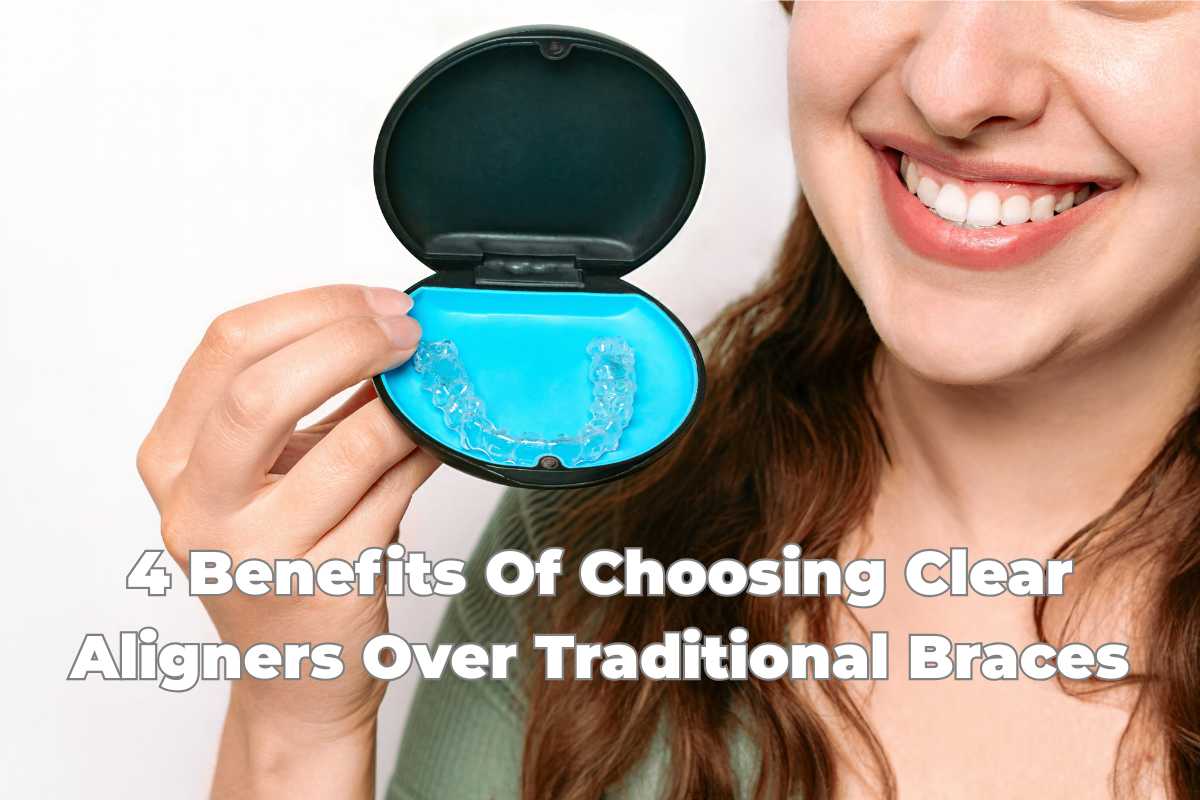
4 Benefits Of Choosing Clear Aligners Over Traditional Braces
Choosing to straighten your teeth is a big step. You want results that look good and feel right in your daily life. Clear aligners give you that choice. They shift your teeth without metal brackets and wires, and they fit into your routine with less disruption. You can remove them to eat, brush, and floss. You can smile for photos without feeling exposed.
You can meet with an orthodontist in Burlington NC and keep your treatment more private and flexible. This blog explains four clear benefits of clear aligners when compared to traditional braces. You will see how they affect your comfort, your schedule, your confidence, and your long term dental health. You deserve straight teeth without extra stress.
1. Better Comfort In Daily Life
Metal braces use brackets and wires. These parts can rub your cheeks and lips. They can cause sores that make eating and speaking hard. Clear aligners use smooth plastic trays that fit over your teeth. You feel pressure as your teeth move, but you often feel less sharp pain from edges.
The trays sit close to your teeth. You do not have metal parts that can break or poke your mouth. You also avoid many emergency visits for loose wires. The aligners can feel snug, but your mouth often adjusts in a few days.
For children and teens, that comfort matters at school and during sports. For adults, it matters during work, meetings, and family time. You stay focused on your day, not on sore spots in your mouth.
2. Easier Cleaning And Healthier Gums
Good brushing and flossing protect your teeth during treatment. With braces, food can stick around brackets. Plaque can build up in spots that are hard to reach. That can raise the risk of cavities and swollen gums.
Clear aligners come out when you eat and brush. You keep your normal brushing and flossing routine. You clean every surface of your teeth. You also rinse or brush the trays. This routine can cut plaque and staining.
The National Institutes of Health explains that clean teeth and gums lower the risk of cavities and gum disease during orthodontic care.
Here is a simple comparison of cleaning with braces and aligners:
|
Topic |
Traditional Braces |
Clear Aligners |
|
Brushing |
Need special care around brackets and wires |
Brush teeth as usual after removing trays |
|
Flossing |
Often need floss threaders or water flossers |
Use normal floss between teeth |
|
Food Trapped |
Food often caught on brackets |
Trays removed before eating, less food stuck |
|
Cleaning Time |
Longer routine each morning and night |
Similar to normal routine |
This difference can protect your gum health. It can also help children build strong habits that last.
3. More Freedom With Food And Daily Routine
Braces come with a long list of foods to avoid. Sticky, hard, or crunchy foods can damage brackets and wires. That often means no popcorn, no hard candy, and no sticky treats. Many raw fruits and vegetables need cutting into tiny pieces.
With clear aligners, you take the trays out when you eat. You can eat many foods that people with braces avoid. You still need smart choices, like less sugar and less soda, because your teeth still move. You also need to brush before you put the trays back in. Yet you do not worry that one snack will bend a wire.
This freedom helps in three ways:
- You keep more family meals without change
- You manage school or work lunches with less stress
- You enjoy holidays and events with fewer food limits
Clear rules still matter. Most aligner plans need you to wear trays 20 to 22 hours per day. That means you keep meals and snacks short. You brush and put trays back in soon after. If you follow the schedule, you gain food freedom and still reach your smile goals.
4. Lower Impact On Confidence And Daily Life
Many people feel uneasy about the look of metal braces. Teens worry about photos and social media. Adults worry about job interviews, meetings, or public speaking. Clear aligners are hard to see from a distance. This quiet look can protect confidence during treatment.
Aligners also tend to fit better in busy schedules. Most visits focus on progress checks and new trays. You may spend less time in the chair getting wires tightened. That can help working parents, college students, and caregivers who are stretched thin.
The American Dental Association notes that aligned teeth can help with chewing and can lower the risk of some jaw problems. Better alignment can also make cleaning easier.
Here is a quick look at how treatment can affect your daily life:
|
Daily Life Topic |
Traditional Braces |
Clear Aligners |
|
Appearance in photos |
Metal visible when smiling |
Plastic trays often hard to see |
|
Speech changes |
Possible early lisp from brackets |
Possible short lisp that often fades fast |
|
Office or school visits |
More visits for wire checks and fixes |
Regular but often shorter checkups |
|
Sports and music |
Need mouthguards to protect brackets |
Trays smoother, easier under a guard |
How To Decide What Is Right For You?
Clear aligners work well for many people, but not for every case. Some complex bite problems still need braces. A trained orthodontist looks at your teeth, gums, and jaw. Then you talk about your goals, your budget, and your daily life.
Use three simple questions to guide your choice:
- Can you wear aligners 20 to 22 hours every day without fail?
- Do you want more freedom with food and cleaning?
- Do you care about a low profile look during treatment?
If you answer yes, clear aligners may fit your life. If you are unsure, you can still ask for a side by side plan for braces and aligners.
Taking Your Next Step With Confidence
Choosing clear aligners over traditional braces can bring comfort, easier cleaning, food freedom, and quiet confidence. You support your health while you protect your daily routine. You also give your child or teen a treatment that respects school, sports, and social life.
Your next step is simple. You schedule a visit with a trusted orthodontist. You ask clear questions. You review the plan, costs, and time frame. You then choose the path that protects both your smile and your peace of mind.
Comments (0)





Recent Blogs


Top Local Business


About Us
Welcome to Punnaka.com – your global gateway to businesses, opportunities, savings. Connecting you globally with listings of Businesses, Malls, Brands, Franchises, Offers, Coupons, Freebies, Articles, Blogs, Press Release etc. List Locally, Grow Globally!