
6 preventive dental strategies that support healthy teeth and gums
6 preventive dental strategies that support healthy teeth and gums
dental
1 February 2026
1 Comments
Description
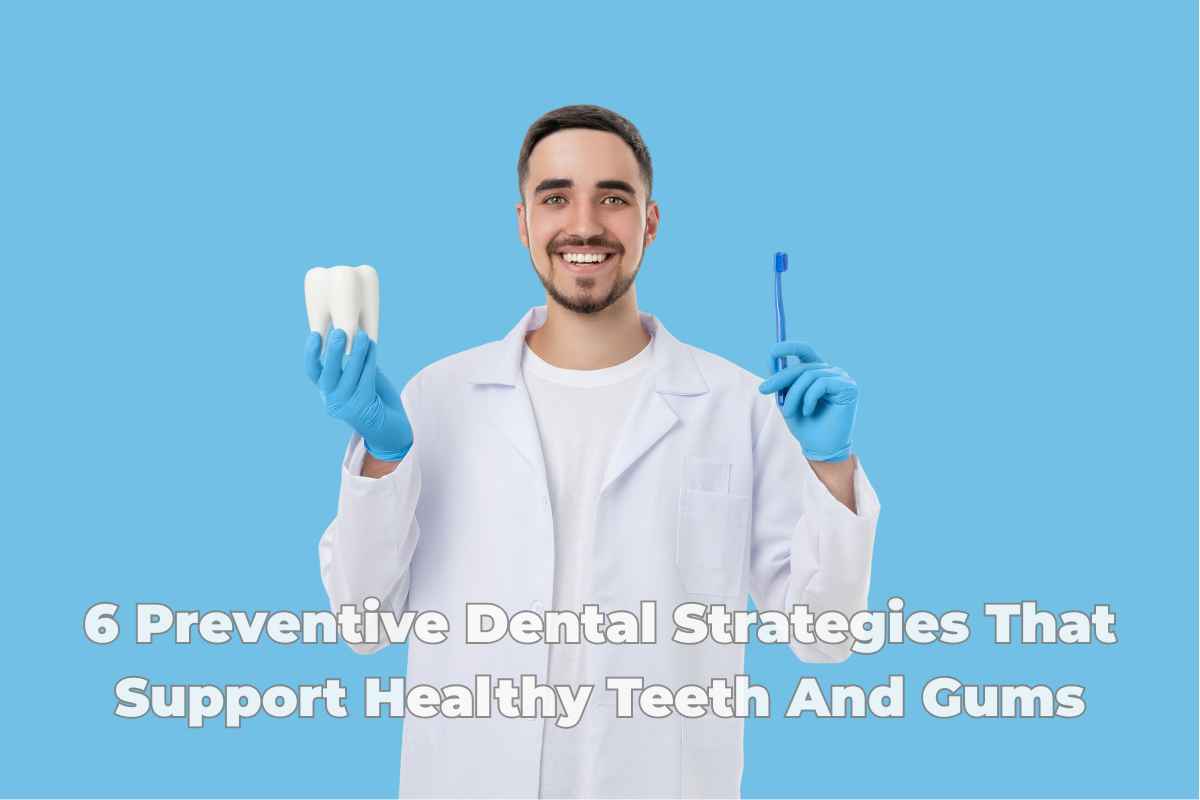
6 Preventive Dental Strategies That Support Healthy Teeth And Gums
Healthy teeth and gums do not happen by accident. They depend on the steady choices you make every day. This blog gives you six preventive dental strategies that protect your mouth and lower your risk of pain, infection, and tooth loss. You learn how simple habits build strong teeth, protect your gums, and support your whole body.
You also see how smart prevention can delay or even avoid major procedures like dental implants in Toronto. Many people wait until something hurts before they act. By then, treatment is harder and recovery takes longer. You deserve care that starts earlier.
You can use these steps at home, at work, and with your dentist. Each strategy is clear, specific, and easy to start today. Your mouth might feel stressed right now. There is still time to change course and protect your smile.
1. Brush the right way twice a day
You already know you should brush. The method matters more than the message. Poor brushing can leave sticky film on your teeth and under your gums.
Use this pattern every morning and night.
* Use a soft toothbrush and fluoride toothpaste
* Angle the brush toward the gumline
* Use short strokes on each tooth
* Brush outer, inner, and chewing surfaces
* Brush your tongue to reduce germs and smell
The American Dental Association explains that two minutes of brushing two times a day lowers decay and gum disease.
You can set a timer. You can play one song. You just need to reach every tooth. Children watch your habits. Your routine teaches them how to care for their own mouth.
2. Floss once a day to clean between teeth
Toothbrush bristles cannot reach between teeth. Food and germs stay trapped. That is where gum disease often starts. Flossing removes that hidden buildup.
Use string floss or a floss holder. Then follow the three steps.
* Slide the floss between two teeth with a gentle back and forth motion
* Curve it around one tooth to form a C shape
* Move it up and down under the gumline, then repeat on the next tooth
Your gums may bleed at first. That bleeding is a warning sign. It often improves after a week of steady flossing. If bleeding stays, you need a checkup. You can use floss picks for children or if your hands feel stiff. The goal is contact with the side of each tooth, every day.
3. Choose tooth-safe food and drinks
What you eat and drink touches your teeth all day. Sugar and acid feed the germs that break down enamel. You do not need a perfect diet. You do need smart tradeoffs.
Everyday choices that affect teeth
|
Choice |
Better for teeth |
Harder on teeth |
|
Drinks |
Water, unsweetened milk, plain tea |
Soda, sports drinks, energy drinks, juice boxes |
|
Snacks |
Cheese, nuts, yogurt, raw veggies, whole fruit |
Sticky candy, gummies, chips, crackers that cling |
|
Timing |
Three meals and one snack |
Frequent sipping or nibbling all day |
The U.S. National Institute of Dental and Craniofacial Research explains that sugar and starch raise decay risk. You can see their plain language guide at the NIDCR tooth decay information page.
You can protect your teeth with three simple rules.
* Drink water as your main drink
* Keep sweets with meals instead of alone
* Limit all day sipping on sweet drinks
4. Use fluoride to strengthen enamel
Fluoride is a natural mineral. It helps rebuild weak enamel and makes teeth harder for germs to attack. Many cities add safe levels of fluoride to tap water. Most toothpastes for adults include it.
You can use fluoride in three ways.
* Brush with fluoride toothpaste twice a day
* Drink fluoridated tap water when possible
* Ask your dentist about fluoride varnish or rinse if you have high risk
Children need only a small smear of fluoride toothpaste until they can spit. Too much paste on the brush does not clean better. It only adds cost. You can check the label on your toothpaste for the word fluoride. If you use well water, your dentist may suggest a prescription toothpaste or rinse.
5. Schedule regular checkups and cleanings
You cannot see every problem in your own mouth. Early decay or gum disease may not hurt. Regular dental visits catch these changes before they turn into crises.
At a checkup, you can expect three things.
* A review of your health history and medicines
* A cleaning that removes hardened buildup you cannot brush off
* An exam to check teeth, gums, and mouth tissues
Some people need visits every six months. Others with higher risk may need visits more often. You and your dentist can set the right schedule. If you feel nervous, say so. The office can explain each step so you feel more in control.
Missing visits does not save money. It often leads to sudden pain, lost work days, and large treatment costs that could have been avoided.
6. Protect tdo from injury and strain
Teeth face more than germs. Sports hits, grinding, and hard chewing can crack or break them. You can lower these risks with simple tools and habits.
* Wear a mouthguard for contact sports or activities with risk of falls
* Avoid chewing ice, pens, and hard candies
* Ask about a night guard if you grind or clench in your sleep
Children and teens who play sports benefit from custom or ready made mouthguards. Adults who grind often wake with jaw pain or headache. A night guard can spread the pressure and protect teeth from wear.
Putting the six strategies together
These six strategies work best as a set.
- Brush two times a day with fluoride toothpaste
- Floss once a day
- Choose tooth safe food and drinks
- Use fluoride from water and toothpaste
- Keep regular checkups and cleanings
- Protect teeth from hits, grinding, and hard chewing
You do not need to change everything at once. You can pick one change this week. You can add another next week. Each step lowers your chance of urgent visits and serious treatment. Each step gives your family more comfort and more control.
Your mouth is part of your body and your daily life. When you care for your teeth and gums, you protect your speech, your eating, and your confidence. You deserve that steady protection every day.
Comments (1)




Recent Blogs


Top Local Business


About Us
Welcome to Punnaka.com – your global gateway to businesses, opportunities, savings. Connecting you globally with listings of Businesses, Malls, Brands, Franchises, Offers, Coupons, Freebies, Articles, Blogs, Press Release etc. List Locally, Grow Globally!





If you’re curious about the latest trends in online gaming and betting, you should definitely check out mostbet-bangladesh.bet https://mostbet-bangladesh.bet/ . There’s some really interesting information that could give you new insights!