
is a fat tire electric bike worth it pros cons and uses
Description
Is a Fat Tire Electric Bike Worth It? Pros, Cons, and Real-World Use Cases
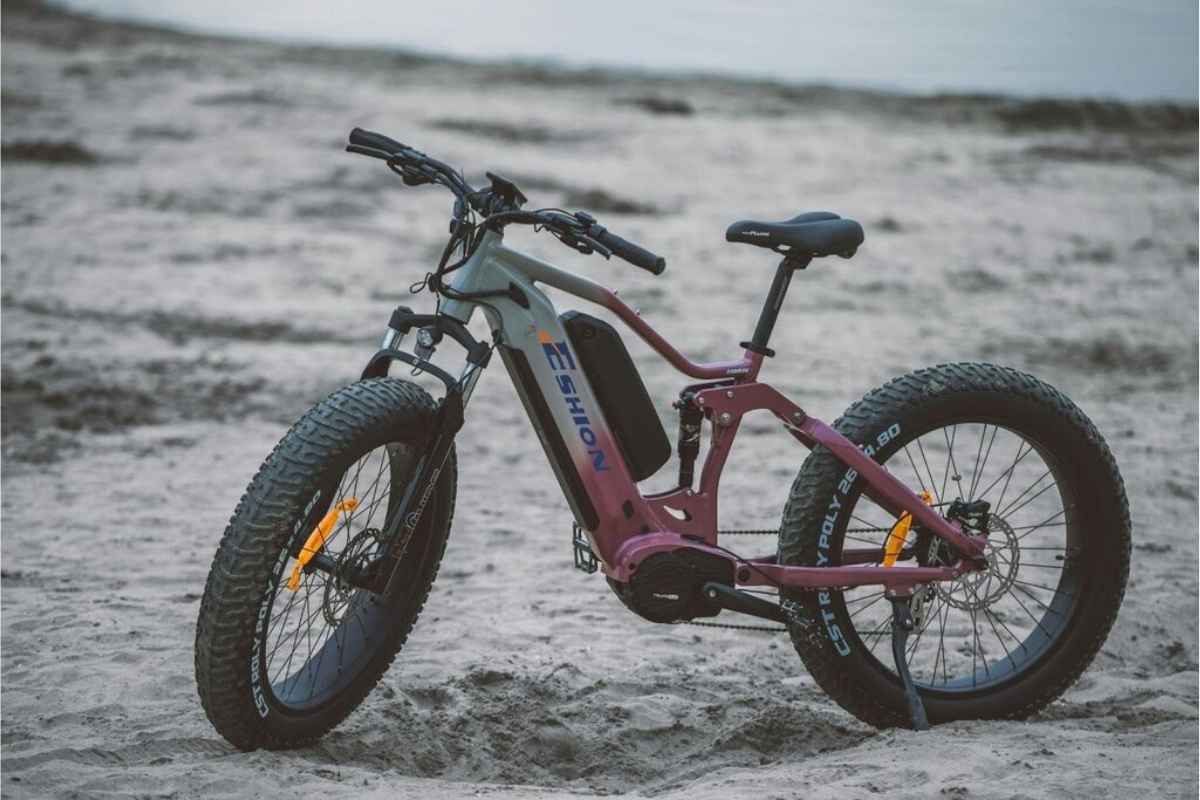
Here's the reality: you're eyeing machines that cost anywhere from $1,500 to $3,000. That's a genuine financial commitment, not some impulse buy. You deserve straight talk, not sales pitches. What defines these machines?
Their tires span 4 to 5 inches across—double the width of conventional 2 to 2.5-inch bicycle tires. This isn't a minor detail.
It fundamentally transforms riding dynamics and terrain capability. We're going to cut through the noise and identify exactly who benefits and who's better off looking elsewhere.
What Makes These Bikes Different?
Grasping the engineering behind fat tire designs empowers smarter purchasing. These machines represent genuine innovation, not cosmetic modifications.
Core Design Features
Consider the air volume housed within these tires—it's substantially greater than traditional alternatives. This volume creates built-in shock absorption that smooths out rough surfaces naturally.
According to energy.gov, private electric bicycles are being adopted at a rate of about 37 million new bicycles every year, confirming these aren't niche products anymore. Manufacturers engineer specialized frame geometry to handle the broader tire profile.
Fork assemblies and rear triangles receive reinforcement to withstand increased mechanical stress. Quality builds typically incorporate motors ranging from 750W to 1500W—necessary muscle to compensate for added tire mass.
Technology Advances in 2025
Premium models now include smart tire pressure monitoring as baseline equipment. Integrated suspension systems complement the tire's inherent cushioning properties.
Battery assemblies now carry all-weather certifications, enabling true four-season reliability. Puncture resistance has leaped forward dramatically. Contemporary tires can survive encounters with sharp debris that would've guaranteed flats twenty-four months ago.
The Complete Picture: Advantages and Trade-offs
Engineering involves inevitable compromises. Let's examine both sides honestly.
Why Riders Choose Fat Tires?
Traction improves by 40-60% relative to conventional tires. This isn't marketing theater—it's documented performance measurement. Loose surfaces like gravel, sand, or snow reveal the difference instantly. The inherent suspension effect diminishes impact forces by approximately 30-45%.
Long rides become noticeably more comfortable on your body. Beginners and older riders especially appreciate the confidence-inspiring stability of a fat tire electric bike.
Year-round operation becomes genuinely practical across diverse climates. Performance data on snow and ice shows these machines handle conditions that immobilize standard e-bikes completely. Beach access? Desert routes? Suddenly, they’re legitimate options.
Real Drawbacks to Consider
Weight becomes impossible to ignore. These bikes tip scales at 65-80 pounds versus 45-55 pounds for standard electric bikes. Portability suffers considerably. Hauling one upstairs qualifies as legitimate strength training.
Rolling resistance climbs on smooth pavement. Expect 15-20% slower speeds on roads compared to standard tires. Energy consumption increases proportionally, cutting your range per charge by 10-25%.
The fat tire e-bike pros and cons equation also involves financial realities. Initial purchase costs run $400-$800 above comparable standard models. Replacement tires cost $80-$150 each versus $40-60. Battery longevity decreases somewhat due to the additional weight burden.
When They Excel?
Certain scenarios demonstrate where these bikes absolutely dominate. Let's explore practical applications.
Daily Transportation Needs
Urban commuters in snow-prone regions extract tremendous utility from these machines. A Chicago winter rider might pocket roughly $850 annually compared to driving. That calculation factors in fuel, parking fees, and reduced car maintenance. Mixed-surface routes become completely manageable.
You'll confidently transition from asphalt to gravel shortcuts without bike-swapping. Many people discover that the fat tire electric bike for commuting arrangements exceeds expectations, particularly when weather conditions fluctuate throughout the week.
Route planning simplifies dramatically when unpaved sections don't require avoidance. Some commuters shave 10-15 minutes from travel times by taking direct paths that standard bikes can't safely navigate.
Adventure and Recreation
Weekend trail exploration expands considerably. Energy.gov reports that e-bikes had the highest utilization rate at 3.9 trips per bike per day in North America, proving their practical value for active users.
Remote areas previously requiring hiking become bikeable destinations. Camping and bikepacking potential grows with the stability these tires deliver. Gear-carrying capacity increases without balance concerns.
State and national park trails that previously prohibited bikes often welcome these machines. Beach riding shifts from exhausting struggle to genuine pleasure.
Sand performance at 8-12 PSI creates a floating sensation instead of the frustrating sinking you'd experience on narrow tires. Coastal towns have enthusiastically adopted these bikes for tourism and resident transportation.
Cost Reality Check
Financial considerations demand honest discussion. Unexpected expenses can blindside buyers.
What You'll Actually Spend?
Entry-level machines begin around $1,299-$1,899. Features get trimmed, but functional transportation remains. Mid-range offerings between $2,000-$3,000 represent optimal value for most purchasers. Premium models exceeding $3,000 justify themselves only for daily riders or extreme-condition enthusiasts.
Accessories deserve budget consideration. Safety equipment, security locks, and possible insurance add $200-400 to the initial outlay. These extras frequently exceed original expectations.
Long-Term Value
Annual maintenance exceeds standard e-bike costs. Tire replacement cycles arrive faster—budget $160-300 yearly. Battery replacement becomes necessary between years 3-5, costing $400-800. Here's where calculations become intriguing: whether fat tire e-bikes are worth it hinges substantially on what they replace.
Car replacement scenarios yield $3,200-$5,800 in annual savings. Public transit substitution saves $800-$1,500 yearly. Even gym membership offsets can reach $300-600 annually.
Resale value is maintained reasonably well, though expect 5-10% lower retention compared to standard e-bikes. The specialized nature somewhat narrows your potential buyer pool.
Finding Your Perfect Match
Strategic selection prevents regret and wasted money. Different models suit different needs.
Key Features That Matter
Motor power requirements depend on terrain characteristics. Flat urban environments function adequately with 350W. Hilly topography demands 750W minimum. Battery capacity should accommodate your longest typical journey plus 25% safety margin.
Frame material influences weight and durability significantly. Aluminum delivers a favorable strength-to-weight balance. Steel provides superior shock absorption but increases mass. Hydraulic disc brakes should be an absolute requirement—mechanical brakes prove inadequate given the additional weight.
Top Picks by Category
The best fat tire electric bike for your circumstances might not be the priciest available option. Budget machines under $1,500 compromise range and features, but deliver dependable basic transportation.
Mid-range selections between $2,000-$2,500 provide optimal overall value. Weather protection, reasonable cargo capacity, and sufficient power for most situations come standard.
Premium machines above $3,500 incorporate cutting-edge technology and extended warranties that justify costs only for committed riders. Test rides outweigh specifications on paper.
Individual comfort varies dramatically between riders. Local retailers often permit extended trial periods—leverage these opportunities.
Common Questions About Fat Tire E-Bikes
1. Can I use these bikes on regular bike paths?
Most paths permit them, though local regulations require verification. Width restrictions occasionally prohibit fat tire models from narrow trails.
2. How much harder are they to pedal without power?
Considerably harder than standard bicycles. Rolling resistance combined with weight makes unpowered operation impractical for most circumstances.
3. Do they work well for heavy riders?
Absolutely, the broader stance distributes weight more effectively. Numerous models comfortably accommodate 300+ pound riders.
Making Your Decision
The worthiness question lacks a universal solution. Your particular circumstances determine actual value. Riders confronting mixed terrain, winter weather, or seeking adventure capabilities will find these bikes genuinely transformative. The investment repays itself through expanded riding possibilities and year-round functionality.
Urban residents with smooth commutes and constrained storage might find standard e-bikes more sensible. The additional weight and expense don't justify themselves for pavement-exclusive riding.
However, for those seeking authentic versatility and freedom to explore beyond maintained pathways, fat tire bikes enable experiences that standard models fundamentally cannot deliver. Evaluate your actual riding habits, storage realities, and financial limitations before committing.
Comments (2)





Recent Blogs


Top Local Business


About Us
Welcome to Punnaka.com – your global gateway to businesses, opportunities, savings. Connecting you globally with listings of Businesses, Malls, Brands, Franchises, Offers, Coupons, Freebies, Articles, Blogs, Press Release etc. List Locally, Grow Globally!





Excellent blog! I really appreciate the valuable information and the way you've explained everything in a simple and engaging manner. It's always great to come across content that genuinely helps readers. I also found similar useful resources at **Digital Describe** for anyone looking for the <a href="https://www.digitaldescribe.com/" target="_blank" rel="noopener noreferrer">Best Digital Marketing Course in Udaipur</a>: . Thanks for sharing such an informative post, and keep up the great work! https://www.digitaldescribe.com/
great insight , team: https://www.itverticals.com/lp/mobile-app-development-houston