
vital role of animal hospitals in community pet care
Description
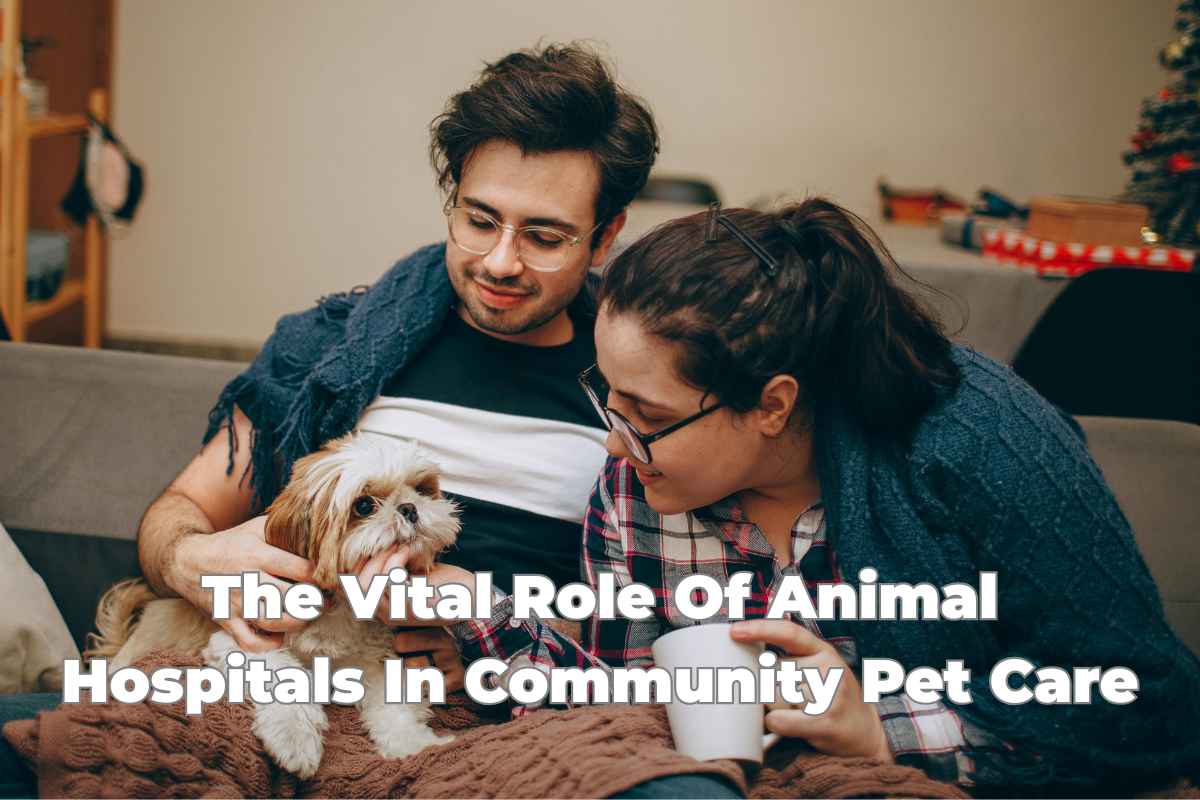
The Vital Role Of Animal Hospitals In Community Pet Care
Pets share your home, your routine, and your stress. When they hurt, you feel it. That is why animal hospitals sit at the heart of community life. They do more than treat cuts or sore paws. They guide you through hard choices, sudden emergencies, and long nights of worry.
In one visit, you might meet a surgeon, a nurse, and a quiet tech who holds your pet’s paw. Each one protects the bond you have with your animal.
For many families, a trusted clinic or a familiar veterinarian in Waverley, NS becomes a second home. You count on that team to spot trouble early, control pain, and support you when age or illness changes everything. This blog shows how animal hospitals support your pet’s health, your peace of mind, and the safety of your whole community.
Why animal hospitals matter to your family?
First, an animal hospital protects your home. A healthy pet means fewer bites, scratches, and infections. That keeps your children safe. It also keeps your home clean and calm.
Second, an animal hospital protects your wallet. Regular exams catch problems early. That means shorter treatment, fewer drugs, and less time off work. A small bill today often prevents a crushing bill later.
Third, an animal hospital protects your heart. Pets age faster than you do. You watch them change. A steady team walks with you through each stage. That steady support helps you face fear, guilt, and grief with less shame and less confusion.
What happens inside an animal hospital?
You might see a waiting room and a scale. Behind the door, much more happens. Each part of the hospital serves a clear purpose.
- Preventive care. Exams, vaccines, parasite checks, and nutrition talks keep your pet strong.
- Diagnostics. Blood tests, X rays, and ultrasound show what your eyes cannot see.
- Surgery. From spay and neuter to lump removal, surgery stops pain and disease.
- Emergency care. The team acts fast when every minute counts.
- Pain control. Careful drug use and comfort steps reduce suffering.
- End of life care. Honest talks and gentle euthanasia protect your pet from a long, hard end.
Each step follows clear science. For example, the U.S. Centers for Disease Control and Prevention explains that regular vet care lowers the risk of diseases that spread from animals to people. That single fact affects your whole block, not only your home.
How animal hospitals protect public health?
Your pet’s care links to your neighbor’s health. One sick animal can spread disease through bites, waste, or even shared yards. Animal hospitals act as a front line.
Here is how they protect your community.
- They give rabies shots that guard humans and pets.
- They treat parasites that can move into soil, sandboxes, and parks.
- They report certain diseases to health officials who track patterns.
The American Veterinary Medical Association notes that strong vet care helps stop outbreaks before they grow. So when you book a checkup, you support your street, not just your living room.
Preventive visits versus emergency visits
You might wonder how much routine care really helps. A simple comparison shows the cost and stress you avoid when you stay ahead of problems.
|
Type of visit |
Typical reason |
Common cost level |
Stress for you and your pet |
Chance of full recovery |
|
Preventive exam |
Annual check, vaccines, parasite test |
Low to moderate |
Short visit. Lower fear |
High. Problems caught early |
|
Dental cleaning |
Bad breath, tartar, early gum disease |
Moderate |
Planned visit. Clear steps |
High. Less pain and tooth loss |
|
Emergency visit |
Hit by car, blockage, sudden collapse |
High |
Long wait. Intense fear and worry |
Uncertain. Depends on how late you come |
|
Late stage disease care |
Cancer, organ failure found late |
High |
Ongoing worry. Many hard choices |
Lower. Focus often shifts to comfort |
This simple chart shows a hard truth. Routine care feels easy to delay. Yet it often decides whether your pet faces a short fix or a long fight.
Building a strong partnership with your animal hospital
You play an active role in your pet’s care. A strong partnership with your hospital makes each visit safer and calmer.
Use three simple steps.
- Prepare. Write down questions. Track changes in eating, drinking, bathroom use, and mood. Bring photos or videos of strange behavior.
- Ask. Request clear language. Ask what each test checks. Ask what happens if you wait. Ask how to give drugs without a fight.
- Plan. Leave each visit with a clear next step. That might be a follow up date, a weight goal, or a training plan.
When you show up ready, your team can focus time on your pet instead of guessing what you need.
Support during hard moments
Some visits cut deep. A cancer talk. A seizure in the night. A choice about euthanasia. In those moments, your animal hospital becomes more than a clinic. It becomes a place where you face loss with support, not alone.
Staff can help you:
- Understand what your pet feels and what they cannot tell you.
- Weigh comfort, time, and money without shame.
- Prepare children for grief in clear words.
That care does not erase pain. It does reduce regret. It also honors the years your pet spent at your side.
How you can support your local animal hospital?
Your choices help keep this safety net strong for every family near you.
- Keep shots and parasite control current.
- Follow home care instructions and ask if you feel stuck.
- Arrive on time and call if you need to cancel.
- Share clear reviews that highlight staff effort and honesty.
Each small act supports the people who care for your pet at 2 p.m. on a calm day and at 2 a.m. when everything feels broken.
Closing thoughts
Animal hospitals do more than fix problems. They protect your pet, your family, and your community. They turn fear into a plan. They turn pain into relief. They turn lonely choices into shared ones.
When you choose steady care, you give your pet a longer life with fewer hard days. You also give yourself fewer nights filled with doubt. That is the quiet power of a strong animal hospital at the heart of your community.
Comments (0)




Recent Blogs


Top Local Business


About Us
Welcome to Punnaka.com – your global gateway to businesses, opportunities, savings. Connecting you globally with listings of Businesses, Malls, Brands, Franchises, Offers, Coupons, Freebies, Articles, Blogs, Press Release etc. List Locally, Grow Globally!