
importance of client education at veterinary hospitals
Description
The Importance Of Client Education At Veterinary Hospitals
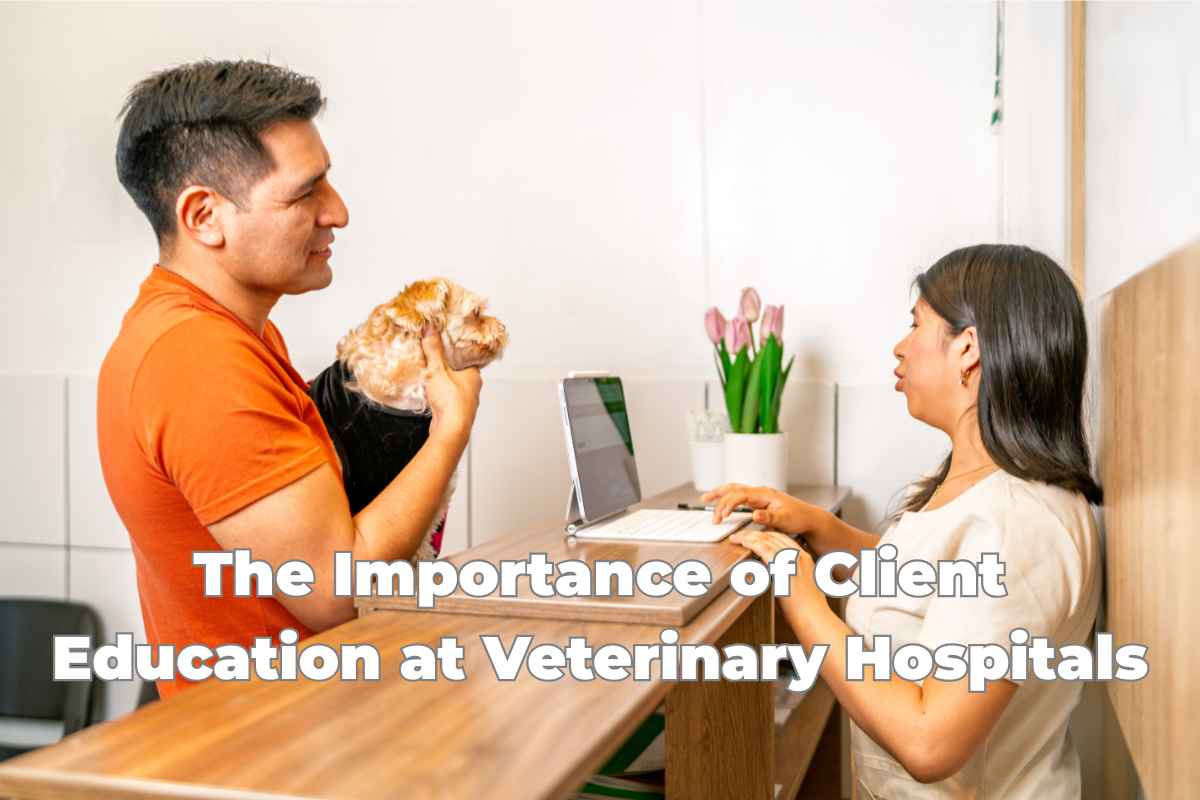
When your pet is sick or hurt, you feel fear and pressure. Clear information from your veterinary team cuts through that shock. Client education at veterinary hospitals is not extra. It is the base of safe care.
When you understand your pet’s diagnosis, treatment, and home care, you can act fast, prevent mistakes, and reduce suffering. You ask better questions. You notice warning signs sooner. You avoid harmful myths from the internet. Good hospitals treat you as part of the medical team. They speak in plain language, use simple tools, and repeat key steps so you do not leave confused.
This is true in every community, including when you work with a veterinarian in Salmon Arm and Shuswap, BC. Strong education protects your pet, protects your wallet, and protects your peace of mind. You deserve clear answers every time you walk through the clinic door.
Why Your Understanding Matters?
Your pet cannot explain pain, nausea, or fear. You are the voice. When you understand what is happening, you can give clear information to the veterinary team. That information guides tests and treatment. It also helps staff judge if your pet needs urgent care or can wait.
Client education is not only for emergencies. It supports daily choices about food, exercise, vaccines, and parasite control. Clear teaching helps you:
- Notice changes in eating, drinking, or bathroom habits
- Spot early signs of disease before they turn severe
- Follow treatment plans at home without confusion
The American Veterinary Medical Association stresses that informed pet owners can prevent many health problems through simple habits and early action.
How Client Education Protects Your Pet?
Client education is a safety tool. It lowers risk at each step of care. You gain clear answers about:
- What the diagnosis means?
- Why a test or treatment is needed?
- What side effects to watch for?
- How and when to give medicine?
Each clear step reduces the chance of missed doses, wrong timing, or unsafe home remedies. That protects your pet from preventable harm.
The same approach supports long life. The Centers for Disease Control and Prevention notes that good pet care protects both animals and people from disease. When you learn how to handle waste, bites, scratches, and parasites, you protect your household as well.
Benefits For You And Your Family
Client education does not only support your pet. It also eases strain on you and your family. Clear teaching can:
- Lower worry, because you know what to expect
- Reduce surprise costs, because you see options in advance
- Prevent conflict at home, because everyone knows the plan
Children often worry in silence when a pet is sick. When the veterinary team explains things in simple terms, children feel safer. They learn what they can do to help, like giving pills or helping with gentle play. That turns fear into action.
What Strong Client Education Looks Like?
Strong client education is clear and direct. It does not rely on complex words. It does not rush you. You should see signs of strong teaching at each visit:
- Staff ask what you already know before they explain
- They use simple language and short sentences
- They write down key steps and give handouts
- They show you how to do tasks, such as giving eye drops
- They ask you to repeat instructions in your own words
Good education is a two way street. You are invited to ask questions. You are not made to feel weak for not knowing medical terms. That kind of respect builds trust.
Examples Of Client Education Topics
During your pet’s life, you may need teaching on many topics. Common subjects include:
- Puppy and kitten care, vaccines, and socialization
- Spay and neuter surgery and recovery
- Dental care and home tooth brushing
- Weight control and safe feeding
- Parasite control for fleas, ticks, and worms
- Behavior issues such as barking, scratching, or biting
- Chronic illness, such as diabetes or kidney disease
- End of life care and pain control
Each topic needs clear steps that fit your home, your schedule, and your budget. Education is not a one time speech. It is a steady process that changes as your pet ages.
Education And Outcomes: Simple Comparison
You might wonder if education really changes outcomes. The difference between clear teaching and rushed visits can be stark. The table below shows common patterns.
|
Aspect of Care |
With Strong Client Education |
With Little or No Education |
|
Medication use |
Doses given on time. Fewer missed or double doses. |
Missed pills. Confused timing. Higher risk of treatment failure. |
|
Follow up visits |
Owner understands why follow up matters and attends on time. |
Owner skips visits because value is unclear. |
|
Emergency visits |
Early warning signs spotted. Many issues treated before crisis. |
Signs missed. Higher chance of emergency and hospital stays. |
|
Costs over time |
More spending on prevention. Lower long term costs. |
Less prevention. Higher bills for severe disease. |
|
Owner stress |
Clear plan. More control and steady mood. |
Confusion. Guilt and fear about every choice. |
How To Get The Most From Each Visit?
You can shape client education by how you prepare for a visit. A few steps make a strong difference.
First, write a short list of concerns. Note when each change started. Include food changes, new treats, or stress at home.
Second, bring all medicines and supplements. That includes products bought at pet stores. Staff need to see labels and doses.
Third, ask three key questions before you leave.
- What exactly is wrong or most likely wrong?
- What are the treatment options and why one is suggested?
- What signs mean I should call or return right away?
Then ask for written instructions. If something is not clear, say so. A good team welcomes that honesty.
How Veterinary Hospitals Can Improve Education?
Hospitals carry duty to make education part of routine care. Strong clinics often:
- Train staff to use plain language with every client
- Use posters, handouts, and short videos in waiting rooms
- Offer follow up calls or emails after complex visits
- Use clear consent forms that explain risk and benefit
- Invite questions without rushing you out the door
Some clinics also partner with schools and community groups. They teach children how to handle pets gently and prevent bites. That work protects both animals and people.
Your Role As A Partner In Care
Client education works best when you see yourself as part of the care team. You bring daily knowledge of your pet. The veterinary team brings medical skill. When both sides share and listen, care improves.
Ask questions. Take notes. Speak up if a plan will not work at home. That honesty lets staff adjust treatment so you can follow through. Clear plans that fit your life protect your pet more than perfect plans that no one can use.
Your pet depends on your voice. When you demand clear education at every visit, you honor that trust and guard your pet’s health with steady strength.
Comments (0)





Recent Blogs


Top Local Business


About Us
Welcome to Punnaka.com – your global gateway to businesses, opportunities, savings. Connecting you globally with listings of Businesses, Malls, Brands, Franchises, Offers, Coupons, Freebies, Articles, Blogs, Press Release etc. List Locally, Grow Globally!