
how veterinary hospitals use technology for better outcomes
how veterinary hospitals use technology for better outcomes
veterinary care
19 January 2026
1 Comments
Description
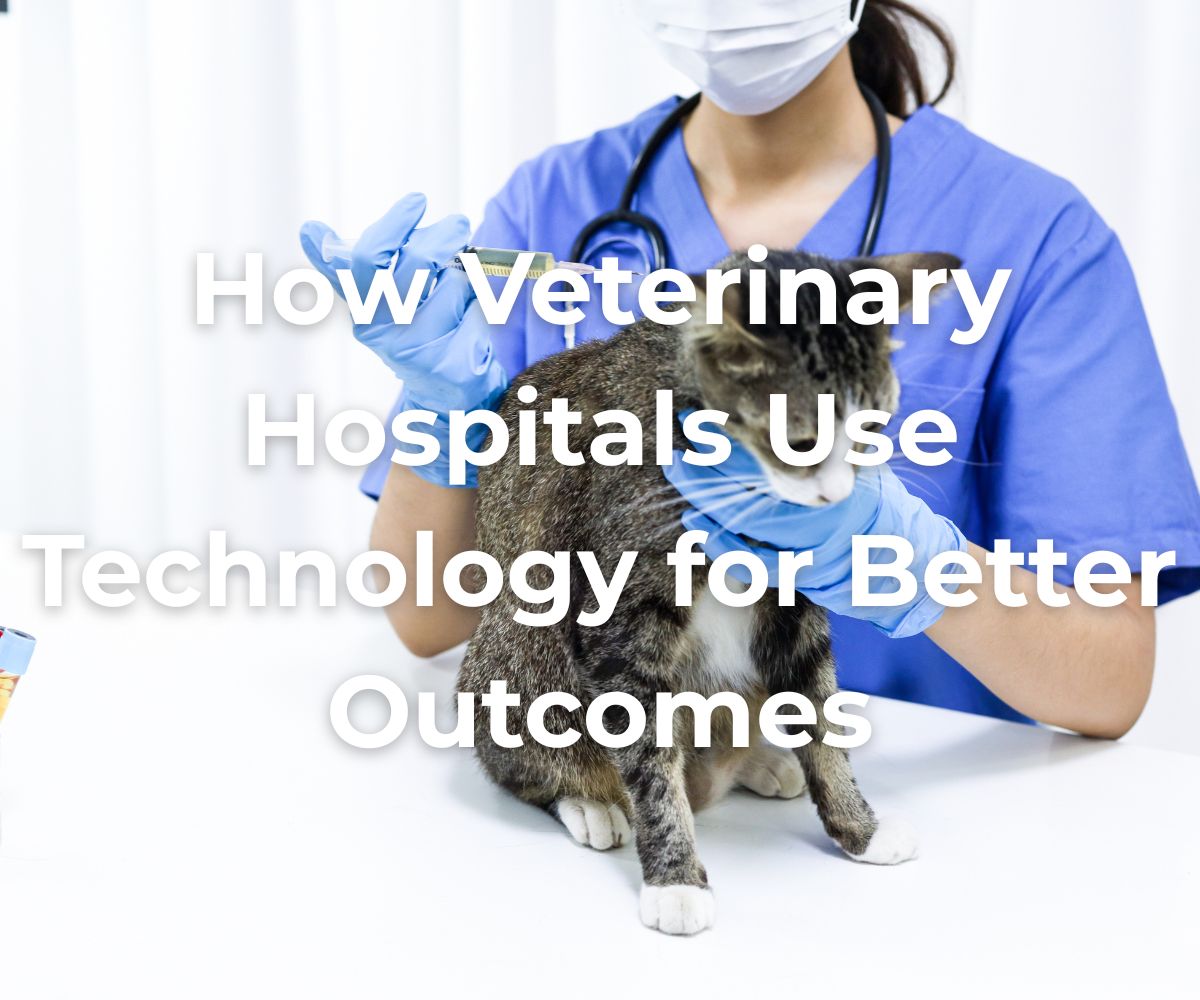
How Veterinary Hospitals Use Technology For Better Outcomes
Technology now touches every step of your pet’s care. You see it when a nurse scans a microchip. You depend on it when a vet reads a digital X-ray. You trust it when a surgeon plans a complex procedure with clear images and data. Modern tools do not replace skill. They give your veterinary team sharper eyes, steadier hands, and faster answers. In Sumter veterinary surgery and in routine visits, technology reduces guesswork and shortens recovery time.
It helps your vet find problems early, choose the safest treatment, and track healing with clear numbers. That means less time in pain for your pet and more time at home with you. This blog explains how hospitals use imaging, lab devices, digital records, and remote tools. You will see how each one can protect your pet’s health and your peace of mind.
Digital imaging that shows what hands cannot feel
Many serious problems hide inside the body. You cannot see a torn ligament, a swallowed toy, or a lung infection. Your vet often cannot feel them either. Digital imaging shows what hands miss and it does it fast.
Common tools include three groups.
- Digital X-rays for bones, lungs, and teeth
- Ultrasound for soft tissue like heart, liver, and bladder
- CT and MRI in advanced centers for brain, spine, and complex joints
Digital systems use less radiation than old film systems. They also allow your vet to zoom in, change contrast, and share images with specialists. The result is quicker diagnosis and fewer repeat images for your pet.
You can read how imaging supports diagnosis in animals through resources from the National Agricultural Library, which supports animal health research across the country.
In house labs that shorten the wait for answers
Years ago, many tests had to ship to distant labs. You waited days while your pet stayed sick. Now many hospitals run blood work, urine tests, and basic screens in the building. That speed can change the outcome.
In house lab tools often include three sets.
- Blood analyzers that measure organ function and blood cells
- Urine machines that check kidneys and infections
- Rapid tests for heartworm, parvo, and some tick diseases
Fast answers matter in emergencies. They also matter before surgery. Your vet can check liver and kidney function the same day. That helps choose safe anesthesia, pain medicine, and fluids. It lowers the risk of surprise problems on the table.
The Centers for Disease Control and Prevention Healthy Pets pages explain how testing supports disease control and protects both animals and people.
Digital records that keep your pet’s story straight
Your pet cannot explain past illnesses or drug reactions. The medical record does that job. When it is digital, your pet’s history stays clear and easy to use.
Electronic records help you and your vet in three ways.
- Medication safety through allergy alerts and dose checks
- Better planning through clear vaccine and lab timelines
- Smoother referrals through fast sharing with other hospitals
When a surgeon, dentist, or emergency doctor opens the chart, they see the same story. That unity reduces mix ups and repeat tests. It also helps track weight, behavior notes, and lab trends over years. Small changes stand out before they turn into crises.
Advanced surgery tools that protect fragile patients
Surgery always carries risk. Technology helps your team reduce that risk and respond fast when something shifts. Three groups of tools are common.
- Anesthesia monitors that track heart rate, breathing, blood pressure, and oxygen
- Infusion pumps that give exact amounts of fluids and drugs
- Advanced lighting and magnification that reveal tiny structures
Some hospitals also use minimally invasive tools like rigid scopes for certain procedures. These can mean smaller cuts, less pain, and quicker recovery for chosen cases. The right choice depends on your pet’s size, age, and health status.
Technology does not remove every risk. It does give the team more data in real time. That support helps them correct problems early and keep your pet stable from start to finish.
Telehealth and remote support that keep care moving
You cannot always get to the hospital fast. Weather, distance, or your own health can stand in the way. Many veterinary teams now use remote tools to keep care moving between visits.
Common uses include three types.
- Video check ins for rechecks like wound checks or mobility updates
- Photo review for skin issues, healing incisions, and minor eye problems
- Secure messaging for questions about drug refills or behavior changes
Remote care does not replace urgent exams. It does help catch problems early and reduce stress visits. It can also support long term plans for heart disease, kidney disease, and arthritis. You stay in touch. Your pet stays safer.
How technology changes outcomes for your pet
Technology matters only if it changes results. You care about comfort, safety, and time together. The tools in modern hospitals aim at those goals.
|
Technology |
Old way |
With new tools |
Impact on your pet
|
|
Imaging |
Film X-rays, limited views |
Digital X-rays, ultrasound, CT or MRI |
Faster diagnosis and fewer repeat images |
|
Lab testing |
Send out tests with long waits |
In house analyzers with same day results |
Sooner treatment and safer surgery |
|
Records |
Paper charts and missing notes |
Electronic records and shared access |
Clear history and fewer errors |
|
Surgery support |
Basic monitoring and manual drips |
Multi parameter monitors and infusion pumps |
Closer watch and more stable anesthesia |
|
Telehealth |
Care only during visits |
Video, photos, and secure messages |
Early help and stronger follow up |
How you can use this technology for your pet
You do not need to know how each device works. You only need to ask clear questions and make steady choices. Three steps can guide you.
- Ask what tools the hospital uses for imaging, surgery, and monitoring
- Ask how each test or device will change the plan for your pet
- Ask about costs, options, and what can wait without raising risk
Strong care uses both human judgment and modern tools. When you choose a hospital that uses technology with purpose, you give your pet a better chance for comfort and recovery. You also gain something hard to measure. You gain clearer answers when you need them most.
Comments (1)





Recent Blogs


Top Local Business


About Us
Welcome to Punnaka.com – your global gateway to businesses, opportunities, savings. Connecting you globally with listings of Businesses, Malls, Brands, Franchises, Offers, Coupons, Freebies, Articles, Blogs, Press Release etc. List Locally, Grow Globally!





Hi there, I wanted to share an article that explains how MDMA-assisted therapy is being studied as a new way to help people process trauma and PTSD in a guided, clinical setting. It breaks down how trauma gets “stuck” in the brain and how MDMA may reduce fear responses so people can revisit difficult memories more safely with professional support. Your readers may find value in the clear, human explanation of why therapy guidance matters and why emotional integration is key to long-term healing. The piece also highlights growing research interest, real-life recovery themes, and the importance of safety, education, and responsible conversations around mental health. This makes it a helpful resource for audiences interested in psychology, trauma recovery, and emerging therapeutic approaches. If you feel it fits your site, I’d love for you to consider adding (https://psychedelicplugonline.com/mdma-for-sale-online-usa-mdma-for-sale-online-usa/ ) as a reference or backlink for your readers. Thanks so much for taking the time to review this—I truly appreciate your consideration. Best regards,