
how animal hospitals address emergencies like poison ingestion
how animal hospitals address emergencies like poison ingestion
veterinary care
20 December 2025
0 Comments
Description
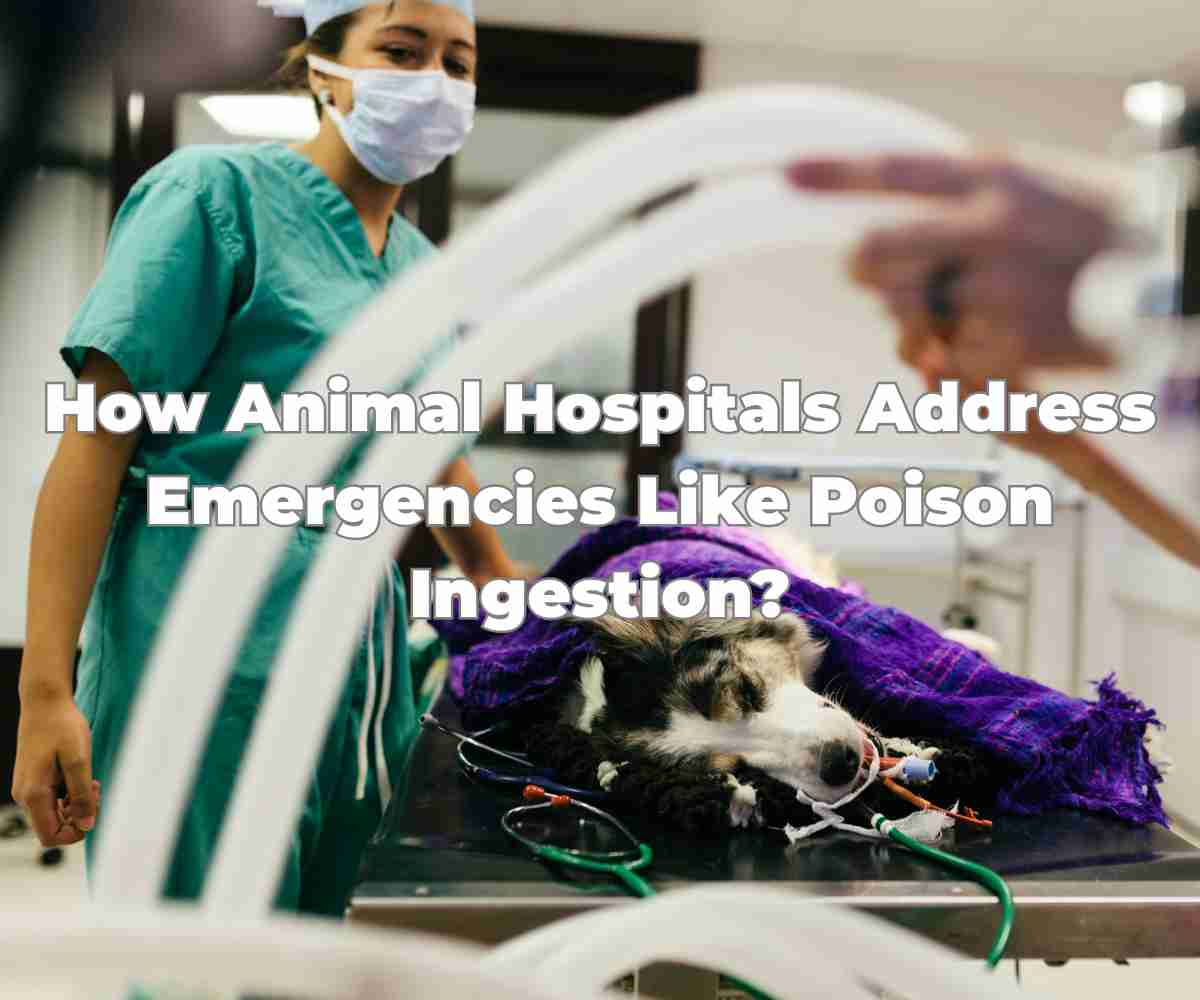
How Animal Hospitals Address Emergencies Like Poison Ingestion?
Accidents happen, especially with pets. When your furry friend ingests something harmful, time is crucial. Animal hospitals understand this urgency.
Ogden veterinarian clinics prioritize immediate response to poison ingestion. You can count on swift, decisive action from skilled professionals. They are ready to handle emergencies with precision.
First, they assess the situation to determine the substance and amount ingested. This step ensures accurate intervention. Next, they provide the needed treatment, which might involve inducing vomiting or administering activated charcoal.
In severe cases, more intensive procedures occur. Throughout the process, they offer supportive care to stabilize your pet's condition. Animal hospitals act quickly, saving lives and offering you peace of mind. It is important to remain calm and reach out for help immediately when you suspect poison ingestion.
Your quick response, coupled with professional care, makes all the difference in these critical moments.
Understanding Common Pet Poisons
Pets can inadvertently find danger in everyday items. Foods like chocolate and grapes are toxic to dogs. Cats might be harmed by household plants like lilies.
Ingesting human medications or household cleaners also poses significant risks. Recognizing these common threats helps prevent accidents. Knowing what your pet has ingested is crucial when seeking emergency care.
Immediate Steps to Take
If you suspect poisoning, act fast. Contact your local veterinarian or an animal poison control center. Keep these numbers handy to save precious minutes. Gather information about what your pet ate and the approximate amount.
Stay calm. Your composure helps convey vital information to the vet. Transport your pet safely to the hospital. Ensure they are comfortable but restrained during the journey.
Treatment Procedures at Animal Hospitals
Once at the hospital, the veterinary team takes over. They conduct a thorough evaluation, which may include blood tests and imaging. Based on their findings, they decide on the best treatment.
|
Treatment Method |
Purpose |
|
Induce Vomiting |
Remove ingested toxins from the stomach |
|
Activated Charcoal |
Prevent toxin absorption in the gut |
|
IV Fluids |
Support hydration and aid toxin elimination |
|
Antidotes |
Counteract specific poisons |
For more information on emergency procedures, visit the American Veterinary Medical Association website.
Monitoring and Aftercare
After initial treatment, your pet needs close monitoring. Vets watch for any complications and track recovery progress. Some pets might require extended hospitalization. Follow-up visits ensure your pet remains on the path to recovery.
At home, continue to observe your pet closely. Follow dietary recommendations and administer any prescribed medications as directed.
Preventive Measures for the Future
Prevention is the best strategy. Secure all harmful substances. Use childproof locks if necessary. Keep food out of reach and educate family members about pet safety. Regular check-ups with your vet can also help identify potential risks in your home environment.
By understanding these steps and maintaining a proactive approach, you can protect your pets from poisoning risks. Quick action and informed decisions can save your pet’s life in emergencies.
Comments (0)





Recent Blogs


Top Local Business


About Us
Welcome to Punnaka.com – your global gateway to businesses, opportunities, savings. Connecting you globally with listings of Businesses, Malls, Brands, Franchises, Offers, Coupons, Freebies, Articles, Blogs, Press Release etc. List Locally, Grow Globally!