
3 common situations where urgent care helps your pet
Description
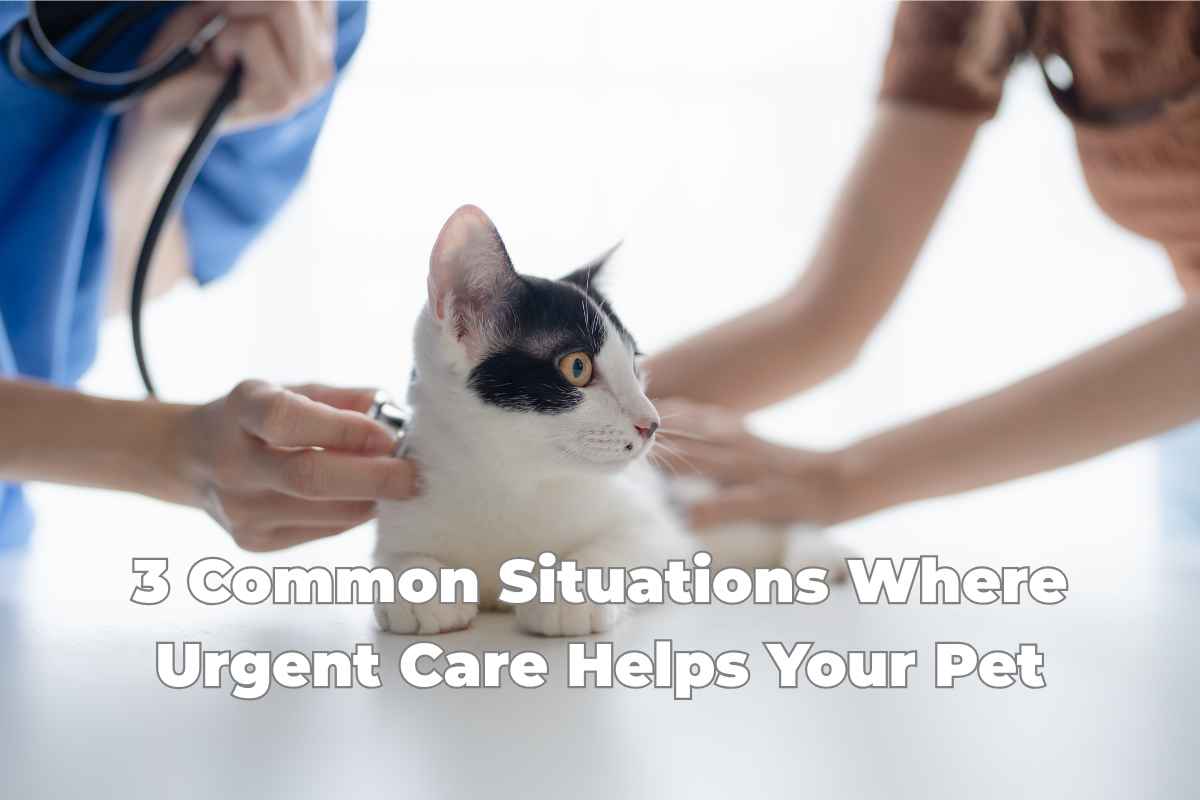
3 Common Situations Where Urgent Care Helps Your Pet
You know your pet better than anyone. So when something feels wrong, you feel a sharp pull of fear and doubt. You might wonder if you should wait for a regular visit or rush to an emergency clinic.
Urgent care sits in the middle and often gives your pet fast help without the chaos of a crisis room. It handles sudden problems that cannot wait days, yet are not life ending in that moment.
In this blog, you will see three common situations when urgent care makes sense for your pet. You will also see when you should call a veterinarian in Augusta, Maine for extra guidance. This can help you act with calm, not panic. It can also protect your pet from slow damage that starts small and grows. You deserve clear steps. Your pet deserves quick care.
1. Sudden Limping, Sprains, and Minor Injuries
A slip on the stairs. A rough landing from the couch. A loud yelp in the yard. Joint and muscle injuries hit fast and leave you unsure of the next move.
Use urgent care when your pet:
- Starts limping or refusing to put weight on a leg
- Cries out when you touch a joint or paw
- Shows mild swelling or warmth in a leg
- Has a cut that bleeds but slows with pressure
Do not wait days to see if it fades. Soft tissue injuries can worsen with normal play. Early care can limit pain and protect long term joint health. The American Veterinary Medical Association explains that quick care after trauma lowers the risk of lasting damage and infection.
Go to emergency care instead of urgent care if your pet:
- Has heavy bleeding that does not stop with firm pressure
- Shows a bone sticking out or a limb at a wrong angle
- Cannot stand at all or keeps collapsing
- Was hit by a car or had a fall from a height
Urgent care staff can examine joints and muscles. They can clean wounds. They can bandage, give pain control, and decide if X-rays are needed. You get answers faster than waiting for a routine visit. Your pet gets relief.
2. Vomiting, Diarrhea, and Stomach Trouble
Stomach problems cause fear because they turn normal days into messy, stressful nights. You may not know if your pet ate something toxic or just has a simple upset stomach.
Use urgent care when your pet:
- Vomits more than once in a day
- Has loose stool that lasts more than a day
- Stops eating but still drinks water
- Seems tired but still responds and moves
Prompt care can prevent dehydration. It can also catch early signs of serious disease. The Merck Veterinary Manual for Pet Owners notes that repeated vomiting and diarrhea can lead to fast fluid loss. That can affect organs if ignored.
Choose emergency care instead if your pet:
- Vomits nonstop or cannot keep any water down
- Has blood in vomit or stool
- Has a tight, bloated belly with clear pain
- Collapses, shakes, or seems confused
Urgent care teams can give fluids under the skin or through a vein. They can give medicine to calm nausea and pain. They can check for fever and run simple tests. You leave with a plan for food, water, and warning signs to watch.
3. Skin Problems, Allergies, and Sudden Itching
Skin problems often start small. A red patch. Extra scratching at night. A new bump. Pets cannot explain their discomfort. You see the change and feel a mix of worry and guilt.
Use urgent care when your pet:
- Scratches, licks, or chews one spot over and over
- Has red skin, hives, or a mild rash
- Shakes the head or scratches ears with clear discomfort
- Gets stung by an insect and has mild swelling
Fast treatment can stop the itch and prevent open sores. It also reduces the risk of infection from repeated chewing and scratching.
Go straight to emergency care if your pet:
- Has sudden swelling of the face, lips, or tongue
- Struggles to breathe or wheezes
- Collapses after a sting or new food or medicine
Those signs can point to a severe allergic reaction. That needs emergency care, not urgent care.
Urgent care can still handle many allergy flares and skin infections. Staff can give medicine to calm itch. They can clean ears. They can guide you on bathing, flea control, and diet steps to lower future flare ups.
Urgent Care vs Emergency vs Routine Visits
When you feel scared, choices blur. A simple comparison can help you act fast and clear.
|
Type of care |
Best for |
Examples |
Typical urgency |
|
Urgent care |
Problems that need same day care but are not life ending at that moment |
Limping, minor cuts, repeated vomiting, mild allergic reaction, eye redness |
Within hours |
|
Emergency care |
Life threatening signs or major trauma |
Hit by car, heavy bleeding, trouble breathing, seizures, collapse |
Right now |
|
Routine care |
Planned health needs |
Vaccines, wellness exams, long term joint care, dental cleanings |
Scheduled days or weeks ahead |
How to Prepare Before You Need Urgent Care?
Stress drops when you prepare before a crisis.
Do three simple things now:
- Save contact information for urgent and emergency clinics in your phone
- Keep a pet first aid kit at home with gauze, tape, saline, and a muzzle or soft cloth
- Know your pet weight and current medicines so staff can act fast
You can also keep your regular clinic informed. Ask what they want you to do after hours. Some clinics share after hours coverage with urgent care centers. Others expect you to use a specific emergency hospital.
When To Call First?
If you feel unsure, call. A short phone call can save time, money, and fear. Staff can tell you if you should come to urgent care, go straight to emergency, or watch at home and see your regular clinic later.
Call right away if you see any sudden change in:
- Breathing
- Walking
- Eating or drinking
- Bathroom habits
- Alertness or behavior
You are not a burden. You are your pet only voice. Quick questions can prevent quiet suffering.
Trust Your Instincts
You live with your pet every day. You know what normal looks like. When that changes, your worry is real. Urgent care gives you a middle path. It respects your concern and gives your pet fast help for sudden but non life ending problems.
Use urgent care for limping, minor injuries, stomach trouble, and skin or allergy flares. Use emergency care for trauma, breathing trouble, collapse, and severe bleeding. Use routine care for long term health.
When you act early, you protect comfort, prevent worse harm, and guard the bond you share. Your pet depends on you. You do not have to face that weight alone.
Comments (0)





Recent Blogs


Top Local Business


About Us
Welcome to Punnaka.com – your global gateway to businesses, opportunities, savings. Connecting you globally with listings of Businesses, Malls, Brands, Franchises, Offers, Coupons, Freebies, Articles, Blogs, Press Release etc. List Locally, Grow Globally!