
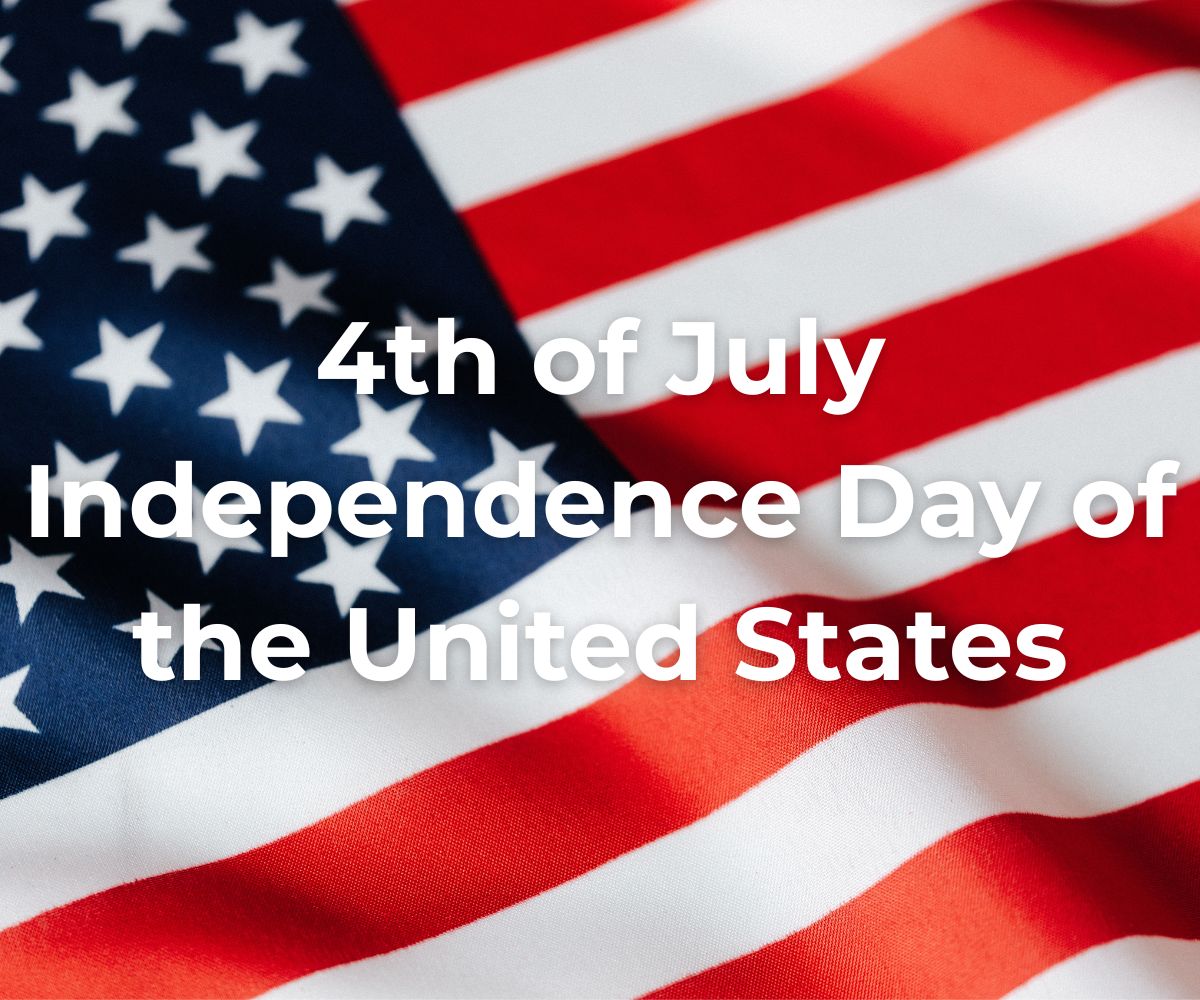
4th of july independence day of the united states
Description
United States Independence Day (July 4): Fireworks, Patriotism, and Modern Celebrations
Independence Day, celebrated every year on July 4, is one of the most cherished and exciting holidays in the United States. It's a day filled with fireworks, flags, family traditions, and the feeling of freedom that unites people across the country. Whether you're watching a parade, grilling in the backyard, or enjoying a dazzling night sky, the Fourth of July brings Americans together in a special way.
This article explores the history of Independence Day, the meaning behind its traditions, popular foods, modern trends, and how the celebration continues to evolve. Written in a simple, highly readable style, it blends timeless details with fresh insights to give you a clear, complete picture of what makes July 4 such a meaningful holiday.
The Birth of a Nation: Why July 4 Matters
Independence Day marks the moment in 1776 when the thirteen American colonies declared freedom from British rule. After years of rising tensions, taxes, and conflicts, the Continental Congress voted to approve the Declaration of Independence. This bold document—largely written by Thomas Jefferson—announced that the colonies were no longer under British control and would instead form a new, free nation.
The message was simple but powerful: people have the right to life, liberty, and the pursuit of happiness.
A Symbol of American Identity
Even though the Revolutionary War continued until 1783, July 4 became the symbolic birthday of the United States. Over time, the date grew into a national celebration of freedom, independence, and unity.
Today, Independence Day serves as a reminder of:
- The courage of the revolutionaries
- The sacrifices made for freedom
- The democratic values that continue to guide the nation
- The shared identity that brings Americans together
- It is both a celebration and a moment of reflection.
Fireworks: The Sparkling Heart of July 4
If there's one image that instantly brings July 4 to mind, it's fireworks exploding in the night sky. This tradition began in 1777 during the very first anniversary of independence. Philadelphia marked the occasion with bonfires, bells, and a fireworks display that instantly captured the spirit of celebration.
Why Fireworks Are So Meaningful?
Fireworks represent joy, unity, and remembrance. Their bright colors and thunderous booms echo the "rockets' red glare" described in America's national anthem. For many people, fireworks evoke nostalgia—reminding them of childhood summers, community gatherings, and shared moments under the stars.
From Backyard Sparklers to Grand Spectacles
Across the United States, fireworks appear in many forms:
Large cities display that draw millions of viewers
Community shows at parks, beaches, and stadiums
Backyard celebrations with sparklers, fountains, and safe miniature fireworks
Firework festivals with music, food, and performances
Cities like New York, Washington, D.C., and Boston host some of the largest shows, with fireworks synchronized to patriotic music. But small-town displays are just as magical, bringing neighbors together in the open summer air.
Patriotism on Display: What July 4 Represents
Independence Day is one of the strongest expressions of American patriotism. It is a day when the nation unites around shared values and shows pride in its history.
Symbols of Patriotism
People celebrate by surrounding themselves with red, white, and blue. These colors appear everywhere:
- Flags on homes and buildings
- Star-spangled clothing
- Patriotic decorations
- Painted face art for children
- Themed desserts and foods
The American flag becomes the centerpiece of the holiday, symbolizing unity, courage, and resilience.
Parades and Ceremonies
Many towns hold July 4 parades early in the morning. These parades often include:
- Marching bands
- Veterans' groups
- First responders
- Local clubs and organizations
- Decorated floats
- Classic cars and firetrucks
The atmosphere is cheerful and lively, filled with music, waving flags, and community pride.
Some cities also host formal ceremonies, such as:
Flag-raising events
Readings of the Declaration of Independence
Speeches honoring veterans and civic leaders
These moments remind people of the importance of freedom and the responsibilities that come with it.
Traditional Ways Americans Celebrate July 4
July 4 has long been a holiday centered around family, food, and outdoor fun. Many families create traditions that pass from one generation to the next, making the holiday feel familiar, comforting, and festive.
Backyard Barbecues
Food is at the heart of most Independence Day celebrations. The classic July 4 menu includes:
- Burgers and hot dogs
- Corn on the cob
- Watermelon slices
- Potato salad
- Grilled chicken or ribs
- Coleslaw
- Lemonade and iced tea
- Berry pies and festive desserts
The smell of grilling and the sound of children playing create a warm, relaxed environment perfect for summer gatherings.
Outdoor Fun and Relaxation
Because July 4 falls in the middle of summer, many people use the long weekend to enjoy the outdoors. Popular activities include:
- Picnics in the park
- Swimming at lakes or beaches
- Camping trips
- Neighborhood block parties
- Baseball games
- Outdoor concerts
- Family games like cornhole and frisbee
Some families plan vacations around the date, traveling to coastal destinations, national parks, or amusement parks hosting special July 4 events.
Regional Ways America Celebrates
One of the most interesting parts of Independence Day is how differently it is celebrated across the country. Each region adds its own flavor and character to the holiday.
Northeast
- Boston's famous fireworks over the Charles River
- Historical reenactments in Philadelphia
- Readings of the Declaration of Independence
South
- Large family reunions
- Country music festivals
- Fireworks over rivers and lakes
- Traditional Southern barbecue
Midwest
- Small-town parades with tractors and vintage cars
- Fireworks over lakes and farmlands
- Community picnics and fairs
West Coast
- Beach parties and bonfires
- Fireworks along coastal piers
- Multicultural food festivals
- Mountain States
- Fireworks framed by mountain skylines
- Outdoor concerts and cowboy-style celebrations
These regional variations show how deeply Independence Day is woven into American culture, each community celebrating in ways that reflect its local traditions.
Food, Flavor, and Festivity: The Culinary Side of July 4
Food plays a major role in Independence Day celebrations. Beyond backyard grills, the holiday has developed its own signature dishes that Americans look forward to all year.
- Classic July 4 Foods
- Hamburgers and hot dogs
- BBQ ribs and chicken
- Macaroni salad
- Baked beans
- Watermelon
- Apple pie
- Strawberry shortcake
- Modern Culinary Twists
America's diversity influences July 4 menus, bringing new flavors to the table:
- Korean BBQ
- Mexican street corn
- Caribbean jerk chicken
- Vegan burgers
- Mediterranean platters
- Sushi rolls
- Fusion desserts
This blending of cuisines reflects America's multicultural spirit and its evolving food culture.
A Modern Twist: How July 4 Is Changing?
While Independence Day remains rooted in tradition, it has also evolved to fit modern lifestyles, technology, and values.
1. Eco-Friendly Celebrations
Concerns about air quality, fire hazards, and noise have encouraged some communities to adopt greener alternatives. These include:
- Drone light shows
- Laser light displays
- Eco-friendly fireworks
- Zero-waste picnics
- Recycled decorations
Drone shows in particular have become popular because they are silent, safe, and visually stunning.
2. Social Media and Technology
Technology has reshaped how people experience July 4. Many celebrations now involve:
- Posting patriotic photos and videos
- Livestreaming fireworks
- Sharing recipes and DIY crafts
- Virtual events for families far apart
- Social media trends help younger generations engage creatively with the holiday.
3. Inclusive and Diverse Celebrations
Modern July 4 events often highlight the contributions of the diverse communities that shape America. Many cities incorporate:
- Multicultural music and dances
- International food booths
- Stories of immigrant heritage
- Recognition of new U.S. citizens
This approach celebrates the America of today—varied, vibrant, and interconnected.
4. Safety Awareness
- Safety has become a major focus during July 4 celebrations. Communities encourage:
- Professional fireworks shows instead of personal ones
- Fire safety during grilling
- Hydration and sun protection
- Alternatives for people and pets sensitive to noise
- These measures help keep the holiday joyful and accident-free.
Independence Day in Popular Culture
July 4 has left a strong mark on American entertainment, appearing in movies, music, and media.
Movies
Films like Independence Day (1996), The Patriot, and numerous family-friendly movies highlight the holiday's cultural impact.
Music
Patriotic music, country hits, rock songs, and orchestra performances shape the sound of July 4.
TV and Streaming
Special broadcasts show fireworks from major cities, allowing viewers nationwide to participate.
Fashion
Red, white, and blue outfits are common, from casual clothing to creative costumes.
Reflection: What does Independence Day Means Today?
Beyond the colorful displays and festive activities, July 4 carries a deeper meaning. It invites Americans to reflect on:
- The values that shaped the nation
- The freedoms enjoyed today
- The responsibilities of citizenship
- The ongoing effort to build a more inclusive and united society
- Independence Day connects the past to the present, reminding people of how far the nation has come and how much potential remains for the future.
The Future of July 4
As society changes, Independence Day will continue to evolve. Future celebrations may feature:
- Widespread use of drones and laser shows
- More virtual participation
- Greater emphasis on sustainability
- Creative multicultural expressions
- Innovative tech-enhanced fireworks
No matter how it changes, the heart of the holiday—freedom, unity, and celebration—will remain the same.
Conclusion
Independence Day is more than a holiday—it is a vibrant celebration of America's journey, spirit, and identity. From its historical roots to modern-day innovations, July 4 blends tradition, community, and creativity in a way few holidays can. Whether enjoyed through fireworks, family gatherings, parades, or quiet reflection, the day brings people together to honor the freedoms that define the nation.
As the sky lights up with brilliant colors each year, Independence Day continues to remind Americans of the values they share and the bright future they hope to build.
Frequently Asked Questions (FAQs) About United States Independence Day (July 4)
1. When is United States Independence Day?
United States Independence Day is on July 4 every year. It marks the date in 1776 when the Declaration of Independence was approved.
2. When is United States Independence Day celebrated?
Independence Day is celebrated every year on July 4. If it falls on a weekday, many people also enjoy a long weekend with public celebrations, fireworks, and family events.
3. Why do we celebrate Independence Day on July 4?
We celebrate on July 4 because that is the day in 1776 when the Continental Congress approved the Declaration of Independence, announcing America's freedom from British rule.
4. When did fireworks become part of July 4 celebrations?
Fireworks were first used to celebrate Independence Day in 1777, just one year after the Declaration was signed. Since then, they've become a central part of the holiday.
5. What do the colors red, white, and blue symbolize?
- Red stands for courage
- White represents purity
- Blue symbolizes justice
These colors are seen on the American flag and are widely used in decorations on July 4.
6. Why do people have barbecues and picnics on July 4?
Because Independence Day happens in the summer, it's a perfect time for outdoor gatherings. Over the years, barbecues and picnics have become a fun tradition that brings family and friends together.
7. What are some popular foods eaten on Independence Day?
Common July 4 foods include hot dogs, hamburgers, grilled chicken, ribs, corn on the cob, potato salad, watermelon, pies, and red-white-blue desserts.
8. Are fireworks legal everywhere in the U.S.?
No. Fireworks laws are different in each state and city. Some places allow only small, safe fireworks, while others ban personal fireworks completely for safety and fire prevention.
9. How do Americans show patriotism on July 4?
People show patriotism by flying the American flag, wearing red-white-blue clothing, attending parades, singing patriotic songs, and joining local celebrations and ceremonies.
10. How do cities celebrate July 4 differently?
Each region has its own style:
- Coastal cities host beach parties and waterfront fireworks
- Small towns have local parades and fairs
- Southern states often have big barbecues and music festivals
- Mountain and lake areas feature scenic fireworks and outdoor concerts
11. What are modern alternatives to fireworks?
Some communities use drone light shows, laser shows, or eco-friendly fireworks to reduce noise, pollution, and fire risks while still putting on a beautiful display.
12. Is Independence Day only celebrated in the U.S.?
The official holiday is American, but U.S. embassies, international schools, and American communities abroad also celebrate July 4 with parties, concerts, and fireworks.
13. Why do some people reflect deeply on July 4?
Many people use this day to think about freedom, democracy, and equality. It's a time to appreciate rights and also to consider how the country can continue to improve.
14. What are some fun family activities for July 4?
Families often enjoy:
Watching fireworks
Going to the park or beach
Having a barbecue or picnic
Playing outdoor games
Making patriotic crafts with kids
Attending local parades or concerts
15. How is July 4 changing over time?
Independence Day is evolving with:
Social media and livestreamed events
New food trends and fusion cuisine
Greater focus on environmental protection
More inclusive celebrations that reflect America's diversity
16. What is the meaning of patriotism on Independence Day?
Patriotism means loving and valuing your country. On July 4, it can mean celebrating traditions, honoring the past, and working toward a better, fairer future for everyone.
17. What should people keep in mind for safety on July 4?
Important safety tips include:
Using fireworks carefully or attending professional shows
Grilling away from buildings and dry grass
Drinking plenty of water in the heat
Keeping children supervised around fire and water
Protecting pets from loud noises and stress
Comments (0)





Recent Blogs


Top Local Business


About Us
Welcome to Punnaka.com – your global gateway to businesses, opportunities, savings. Connecting you globally with listings of Businesses, Malls, Brands, Franchises, Offers, Coupons, Freebies, Articles, Blogs, Press Release etc. List Locally, Grow Globally!