
kala ghoda pavement gallery mumbai
Description
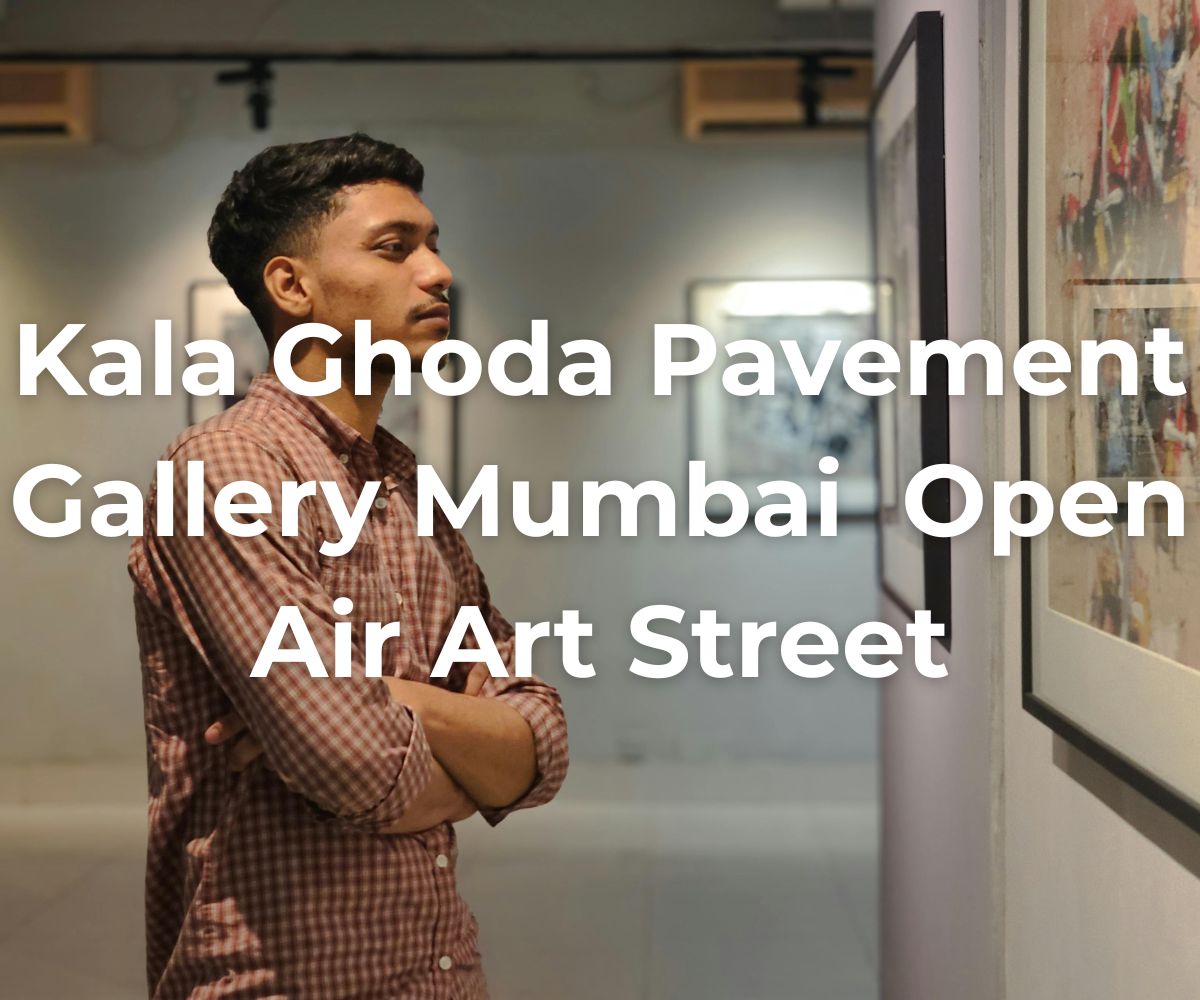
Kala Ghoda Pavement Gallery: Mumbai’s Open-Air Art Street
In the heart of South Mumbai lies a street where colours spill onto the sidewalk, conversations bloom between strangers, and creativity breathes in the open air. The Kala Ghoda Pavement Gallery, located outside Jehangir Art Gallery, is not just a row of paintings—it’s Mumbai’s most democratic space for art. Here, art leaves the walls of elite galleries and meets people at street level.
The Spirit of Kala Ghoda
The name Kala Ghoda, meaning “Black Horse,” comes from a statue of King Edward VII that once stood in this precinct. Although the statue was moved years ago, the name stuck, becoming synonymous with Mumbai’s artistic and cultural identity. The area now hosts a cluster of heritage buildings, galleries, and museums, including the National Gallery of Modern Art, the Chhatrapati Shivaji Maharaj Vastu Sangrahalaya, and the David Sassoon Library.
This precinct is the soul of Mumbai’s art movement—a walkable museum of Victorian and Indo-Saracenic architecture, café conversations, and creative energy. Against this backdrop, the Pavement Gallery thrives as its most accessible, people-friendly art space.
Origins of the Pavement Gallery
The story of this open-air gallery began decades ago, when artists struggled to find space in formal institutions. Exhibiting at Jehangir Art Gallery was (and still is) highly competitive. Many talented painters, sculptors, and illustrators found themselves without a platform.
In the 1980s, artist K. M. Shenoy began displaying his sketches and drawings on the sidewalk outside Jehangir Art Gallery. Others soon followed. What started as a few easels and prints gradually evolved into a recognised marketplace for affordable, original art. The artists later formed the Plaza Artists’ Association in the 1990s, giving the initiative structure and legitimacy.
Over time, this stretch of pavement transformed into an iconic space where students, collectors, and tourists gathered to appreciate art without barriers.
A Gallery Without Walls
The Pavement Gallery is unlike any conventional exhibition. Paintings, watercolours, and prints line the footpath, displayed on easels or hung on railings. Artists stand beside their work, ready to discuss techniques, prices, and inspirations. There’s no entry fee—anyone can browse freely.
The collection changes frequently. Some days you’ll find cityscapes glowing with monsoon reflections; on others, you might see abstract forms bursting with colour. The atmosphere feels spontaneous and alive—part street market, part art studio, part cultural performance.
Why the Pavement Gallery Matters
The gallery represents Mumbai’s belief that art belongs to everyone. It democratizes creativity, giving unknown artists a chance to be seen and appreciated by thousands of passersby each day. For visitors, it breaks down the formality of art appreciation. You don’t need to dress up, whisper, or analyse. You can stand under the sun, sip a chai, and fall in love with a painting that costs less than dinner at a café.
For artists, the exposure is invaluable. They receive direct feedback, learn to market their work, and build relationships with collectors. Many artists who began here have gone on to exhibit in major galleries and art fairs.
What You’ll See
The Pavement Gallery is a kaleidoscope of subjects and styles. Common themes include:
- Mumbai Cityscapes: Scenes of Marine Drive, the Gateway of India, CST, and bustling streets capture the city’s rhythm.
- Heritage Buildings: Artists depict colonial facades and arches in soft light, mirroring the area’s architectural charm.
- Portraits and People: Charcoal sketches, realistic portraits, and quick caricatures show the human side of the city.
- Nature and Wildlife: Watercolours of lotuses, trees, and birds bring serenity amid urban noise.
- Abstract and Modern Forms: Bold shapes and colours suit contemporary homes and offices.
- Photographs and Prints: Street photographers sell prints that freeze moments of Mumbai life.
- Pop Culture and Graphic Art: Comic-inspired illustrations and Bollywood portraits add playful energy.
Every visit feels new. Artists rotate frequently, and their displays evolve with the seasons and festivals.
Visiting Tips
- Best Time: Early morning or late afternoon offers pleasant weather and golden light for photos.
- How to Reach: The gallery sits along Mahatma Gandhi Road, near Jehangir Art Gallery. Churchgate, CST, and Marine Lines stations are within walking distance.
- What to Bring: Carry cash, a tote bag or tube for purchases, sunscreen, and a camera.
- Bargaining: Be polite. Many artists are open to negotiation, but remember that their prices reflect the time and materials involved.
- Accessibility: The pavement can be uneven, but ongoing city improvements aim to make it more pedestrian-friendly.
How to Buy Art Here
Buying from the Pavement Gallery is a personal experience. You speak directly to the creator. Ask about their inspiration, technique, and medium. If you like a piece, check for a signature and date. Many artists provide receipts and even accept digital payments.
If you’re looking for something specific, discuss a custom commission. Artists often create bespoke paintings based on your photos or colour preferences. This connection—artist to buyer—makes the art more meaningful.
Caring for Your Artwork
Keep paintings away from direct sunlight and moisture. Use acid-free mounts for prints and UV-protected glass for framed works. If you purchase an unframed canvas, ask the artist for a protective tube. Regular dusting with a soft, dry cloth keeps it looking fresh.
Photography Etiquette
The Pavement Gallery is one of Mumbai’s most photogenic spots, but respect is key. Always ask before photographing an artist or taking close-ups of their work. Most are happy to pose with their art if asked politely. Early morning and late afternoon light add warmth and depth to photos.
A Hub During the Kala Ghoda Arts Festival
Every February, the Kala Ghoda Arts Festival transforms the precinct into a massive open-air carnival. The Pavement Gallery becomes one of its focal points. Streets close to vehicles, stalls multiply, and artists showcase themed works and installations.
The energy during the festival is electric—music performances, dance, workshops, and literary talks fill the lanes. For many visitors, it’s the best time to experience Mumbai’s art scene in full bloom.
For Families, Students, and Travellers
Families enjoy the relaxed environment, where children can engage with art in an informal setting. Students find it educational, gaining insight into real-world art practice and sales. Tourists love it as a cultural souvenir stop—a place to buy affordable, original pieces to take home.
Sustainability and the Local Economy
The Pavement Gallery supports sustainable urban culture. Buying directly from artists channels income to creators, not intermediaries. The local economy benefits as buyers visit nearby cafés, framers, and shops. Many artists use recycled materials and packaging, reinforcing a spirit of eco-friendly creativity.
The Broader Ecosystem
The gallery has inspired a ripple effect. Nearby, sculptures and murals enhance the streetscape. Street performers and musicians add live energy. Together, they turn Kala Ghoda into a living art district.
The Pavement Gallery’s success has also influenced similar initiatives in other cities. It proves that public art, when accessible and maintained, enriches urban life and fosters civic pride.
Challenges in a Changing City
Operating an open-air gallery in Mumbai isn’t easy. Monsoons threaten delicate canvases; the sun fades colours over time. Urban expansion and rising real estate pressures challenge public art spaces. Yet, the artists remain resilient. Their collective spirit, supported by the Plaza Artists’ Association and the Kala Ghoda Association, keeps the tradition alive.
Occasionally, debates arise about whether street art devalues fine art. But the Pavement Gallery continues to show that accessibility enhances, not diminishes, artistic worth. It builds bridges between professional galleries and the people who might never step inside one.
Tips for Artists Exhibiting
- Visit the spot before displaying to understand crowd flow and light.
- Carry essential tools: easels, clips, covers, and small change.
- Label prices clearly. Transparency helps buyers.
- Tell your story—visitors love knowing what inspires your work.
- Protect your art from the weather; keep covers handy for sudden rain.
- Engage with visitors respectfully and collect contact details for future commissions.
How to Plan a Day in Kala Ghoda
A perfect Kala Ghoda itinerary begins at the Pavement Gallery. Spend an hour browsing the displays, chatting with artists, and taking photos. Then explore nearby attractions:
- Jehangir Art Gallery: A landmark for curated exhibitions.
- Chhatrapati Shivaji Maharaj Vastu Sangrahalaya: A treasure trove of history and decorative arts.
- National Gallery of Modern Art: For India’s best modern collections.
- David Sassoon Library and Horniman Circle: Ideal for a quiet pause amid architectural splendour.
- Cafés and Bookstores: Unwind at nearby cafés that serve strong coffee and conversation.
What Makes a Good Buy
- Emotional Connection: Choose art that stirs something in you.
- Right Size: Measure your wall space; small works fit reading corners, large ones anchor rooms.
- Colour Fit: Match warm tones with cosy interiors, cool hues with workspaces.
- Medium: Acrylics suit humid climates; oils give depth; watercolours feel light and airy.
- Story: Knowing the artist’s background adds sentimental value.
Framing and Display
Simple wooden or black frames suit most artworks. Float frames enhance modern pieces, while mounted frames suit traditional ones. For a creative twist, cluster small artworks together. Always use quality materials to preserve longevity.
The Audience Experience
The crowd that visits the Pavement Gallery mirrors Mumbai itself—a blend of students, executives, tourists, and families. Office workers pause during lunch breaks, tourists take selfies with canvases, and art students sketch along the curb. The atmosphere is both casual and inspiring.
Each person experiences the gallery differently. For some, it’s a shopping spot; for others, it’s meditation in motion. The charm lies in this fluidity—art blending seamlessly into the city’s daily rhythm.
The Gallery’s Legacy and Future
The Kala Ghoda Pavement Gallery stands as a living symbol of Mumbai’s creative resilience. Its success lies not in glamour but in authenticity. As urban planners envision smarter, greener cities, this model of public art offers lessons in inclusivity and community building.
Future expansions could include digital projections, interactive installations, or artist residencies. But at its core, the Pavement Gallery will always be about direct connection—artist to passerby, painting to soul.
The Soul of the City
Every great city has a place that captures its heartbeat. For Mumbai, Kala Ghoda is that place. The Pavement Gallery, with its ever-changing lineup of artists and works, reflects the city’s constant motion—chaotic yet poetic, crowded yet intimate.
Here, art isn’t locked away. It lives beside honking taxis, under rain-soaked trees, and against the hum of conversation. It reminds everyone that beauty doesn’t need walls, and creativity needs only a little space to bloom.
So, next time you walk past Jehangir Art Gallery, stop. Look at the paintings swaying in the breeze. Talk to the artists. Buy a small watercolour or take a portrait sketch home. You’ll carry with you not just art, but a piece of Mumbai’s living spirit.
Comments (0)





Recent Blogs


Top Local Business


.png)


About Us
Welcome to Punnaka.com – your global gateway to businesses, opportunities, savings. Connecting you globally with listings of Businesses, Malls, Brands, Franchises, Offers, Coupons, Freebies, Articles, Blogs, Press Release etc. List Locally, Grow Globally!