
why general dentistry is key to detecting oral cancer early
Description
Why General Dentistry Is Key To Detecting Oral Cancer Early?
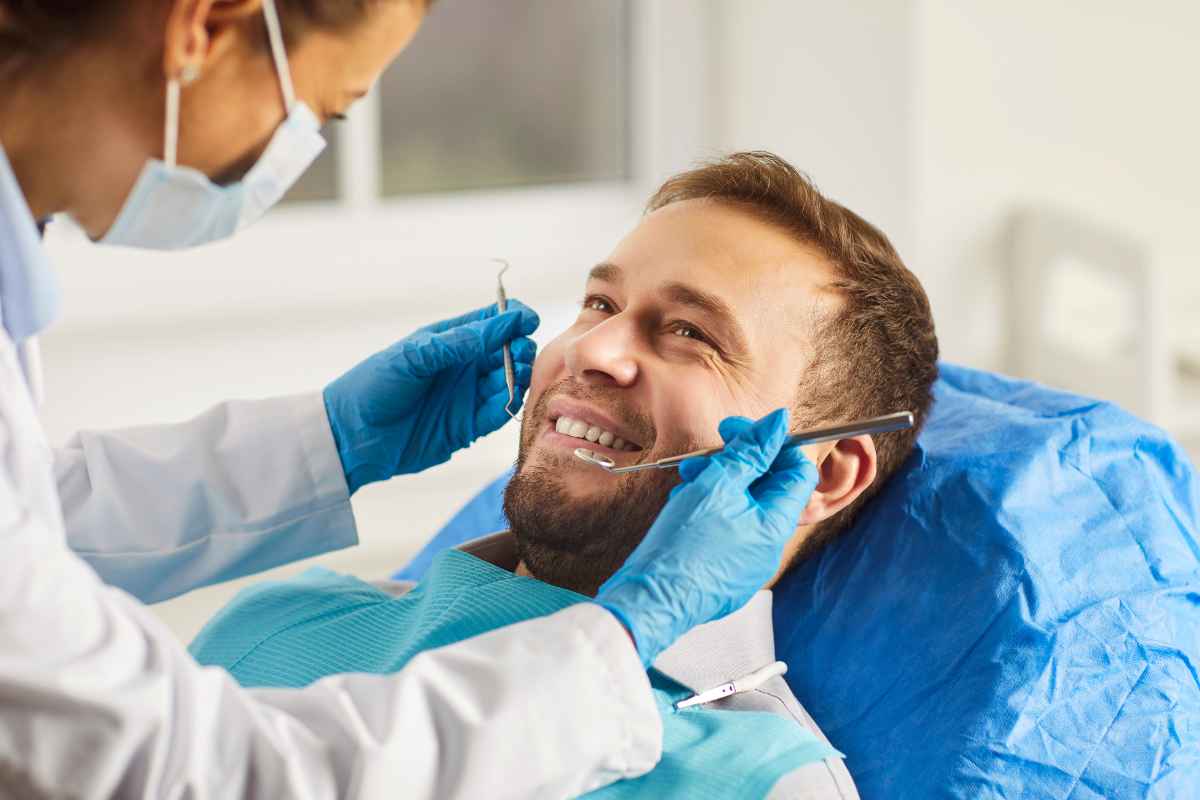
Oral cancer grows in silence. You often feel nothing until it spreads. Regular visits with a general dentist protect you from that quiet danger. During a routine exam, your dentist checks your tongue, gums, cheeks, and throat. You may think it is only about cavities. It is not.
Your dentist looks for small color changes, rough spots, or sores that do not heal. These early signs can mean cancer. Early cancer is easier to treat. Late cancer can steal your speech, your ability to eat, and your comfort.
A trusted dentist in Wheaton, IL can spot trouble before you notice a single symptom. That quick look inside your mouth can give you time. It can give your family relief.
This blog explains how general dentistry finds early warning signs, what to expect at an exam, and how you can protect your health with simple, steady care.
Why early detection matters?
Oral cancer includes cancer of the lips, tongue, gums, floor of the mouth, and throat. It can grow for months without pain. You may blame mild changes on biting your cheek or a hot pizza burn. You move on. Cancer does not.
The National Cancer Institute explains that finding cancer early often leads to smaller treatment and better survival.
How your general dentist checks for oral cancer?
Every regular exam should include a simple oral cancer screening. It does not hurt. It does not take long. It follows a clear pattern.
* Your dentist asks about any sores or pain in your mouth or throat.
* Your dentist looks at your lips, gums, cheeks, and tongue.
* Your dentist checks the floor and roof of your mouth.
* Your dentist looks at the back of your throat.
* Your dentist feels your jaw and neck for any firm spots or lumps.
Sometimes the dentist uses a small light or dye to highlight changes. You still breathe and speak as usual. The exam feels like a careful look, not a test.
Warning signs your dentist looks for
Many mouth changes are not cancer. Even so, your dentist treats each change with respect. The goal is to rule out cancer or find it very early.
Your dentist looks for three main kinds of changes.
* Color changes. White or red patches that do not go away.
* Surface changes. Rough areas, crusts, or thick skin.
* Shape changes. Lumps, swelling, or sores that bleed.
The dentist will ask how long the change has been present. Sores that last longer than two weeks need attention. Pain is not the only sign. Many early cancers do not hurt at all.
Why general dentists are in the best position to catch it?
You see your general dentist more often than most doctors. Twice-a-year visits give many chances to spot small changes. That steady contact is powerful.
General dentists know your normal mouth. They remember old scars, past dental work, and your habits. When something new appears, they notice. They can compare your mouth over time. They can see if a spot grows or stays the same.
They also see many people with tobacco or alcohol use. They understand how these habits raise risk. They can guide you to quit or cut back. That advice may prevent cancer from starting.
Risk factors you and your dentist should discuss
The Centers for Disease Control and Prevention lists several common risks for oral and throat cancer. Bring these topics up with your dentist.
* Tobacco use of any kind, including cigarettes, cigars, pipes, and smokeless tobacco.
* Heavy alcohol use.
* Human papillomavirus, or HPV, infection.
* History of oral cancer in you or a close relative.
* Long sun exposure for lip cancer.
If one or more risks apply to you, ask for an oral cancer check at every visit. You can also ask how often you should return. Some people need more frequent exams.
Simple steps you can take between visits
Your dentist plays a strong role. You still help protect yourself at home. Use three simple habits.
* Look. Once a month, use a mirror and good light. Check your lips, gums, cheeks, and tongue. Look for new spots or sores.
* Notice. Pay attention to pain when you swallow, hoarseness, or numbness in your mouth or lips.
* Act. If a sore or patch does not heal in two weeks, call your dentist. Do not wait for your next regular visit.
These habits do not replace a dental exam. They support it. You create a safety net with two layers. Home checks and professional checks work together.
What happens if your dentist finds something?
A suspicious spot does not mean you have cancer. It means your dentist takes your health seriously. The next steps are clear.
* Your dentist may ask you to return in two weeks to see if the spot heals.
* Your dentist may refer you to an oral surgeon or specialist for a closer look.
* The specialist may take a small sample of tissue called a biopsy.
A biopsy is the only way to confirm cancer. The word sounds harsh. Still, the procedure is usually quick. Early answers guide early treatment. That can spare you from larger surgery or more intense care later.
How routine dental care supports cancer prevention?
General dentistry is not only about exams. Cleanings and basic treatment also lower cancer risk in three ways.
* Healthier gums reduce long-term infection and swelling.
* Repair of sharp or broken teeth cuts down on chronic irritation to your cheeks and tongue.
* Regular visits give you repeated chances to hear support for quitting tobacco and limiting alcohol.
Each visit builds on the last. Your mouth becomes more stable. That stability makes new changes stand out faster.
Sample comparison of early and late oral cancer
|
Stage of oral cancer |
What you may notice |
What treatment may involve |
Impact on daily life |
|
Early stage |
Small patch or sore. Often no pain. |
Smaller surgery. Shorter recovery. |
Lower chance of speech or chewing changes. |
|
Late stage |
Large sore, lump, or trouble swallowing. |
Extensive surgery. Radiation or chemotherapy. |
Higher chance of trouble speaking, eating, or breathing. |
This simple comparison shows why catching cancer early matters. Early detection protects not only years of life. It also protects how you live each day.
Putting it all together for your family
Oral cancer can strike any adult. It affects parents, grandparents, and young adults who use tobacco or vape. General dentistry gives your family a safe line of defense.
* Schedule regular checkups for every adult in your home.
* Ask your dentist to include an oral cancer screening each time.
* Teach older children and teens to speak up about mouth sores that do not heal.
You cannot control every illness. You can control how often you seek care. Each routine visit is a quiet act of protection. You give your dentist a chance to see what you cannot see. You give yourself a stronger chance to face oral cancer early, when it is most treatable, and to keep your voice, your smile, and your daily comfort.
Comments (0)





Recent Blogs


Top Local Business


About Us
Welcome to Punnaka.com – your global gateway to businesses, opportunities, savings. Connecting you globally with listings of Businesses, Malls, Brands, Franchises, Offers, Coupons, Freebies, Articles, Blogs, Press Release etc. List Locally, Grow Globally!