
role of general veterinarians in preventive pet care
Description
The Role of General Veterinarians in Preventive Pet Care
Your pet depends on you for every need. You depend on a trusted general veterinarian. Together, you can stop many health problems before they start. A general vet is your first line of defense.
You see this in everyday places like your local Los Altos animal hospital. Regular checkups, vaccines, dental care, and nutrition guidance all protect your pet long before there is a crisis. You may not notice early warning signs.
Your vet is trained to spot quiet changes in weight, behavior, skin, or movement. Early action often means shorter treatments, lower costs, and less pain for your pet. It also means more years of shared routines and calm.
This blog explains how general veterinarians guide you through preventive care. It shows what to expect from visits, how to prepare, and how to use each appointment to shield your pet’s health.
Why preventive care matters for every pet?
Preventive care protects your pet from slow, quiet harm. Many diseases grow for years before you see clear signs. By the time you notice a limp or a lump, damage can be deep.
General veterinarians focus on three simple goals.
- Stop disease before it starts
- Find trouble early when treatment works best
- Keep daily life safe, steady, and low stress
Routine care is not extra. It is basic protection. The Centers for Disease Control and Prevention also reminds you that healthy pets help keep people safe from some infections. When you guard your pet’s health, you also guard your home.
What a general veterinarian does for preventive care?
Your general vet is your main guide. This doctor knows your pet’s history, home life, and risks. That knowledge helps shape a clear plan that fits your pet and your family.
Core parts of preventive care include three groups.
- Routine wellness exams
- Vaccines and parasite control
- Nutrition, weight, and behavior support
Routine wellness exams
Most healthy pets need a full exam once or twice a year. Senior pets or pets with chronic disease may need visits more often.
During a wellness exam your vet will usually:
- Review your pet’s history and any changes at home
- Check weight and body condition
- Listen to the heart and lungs
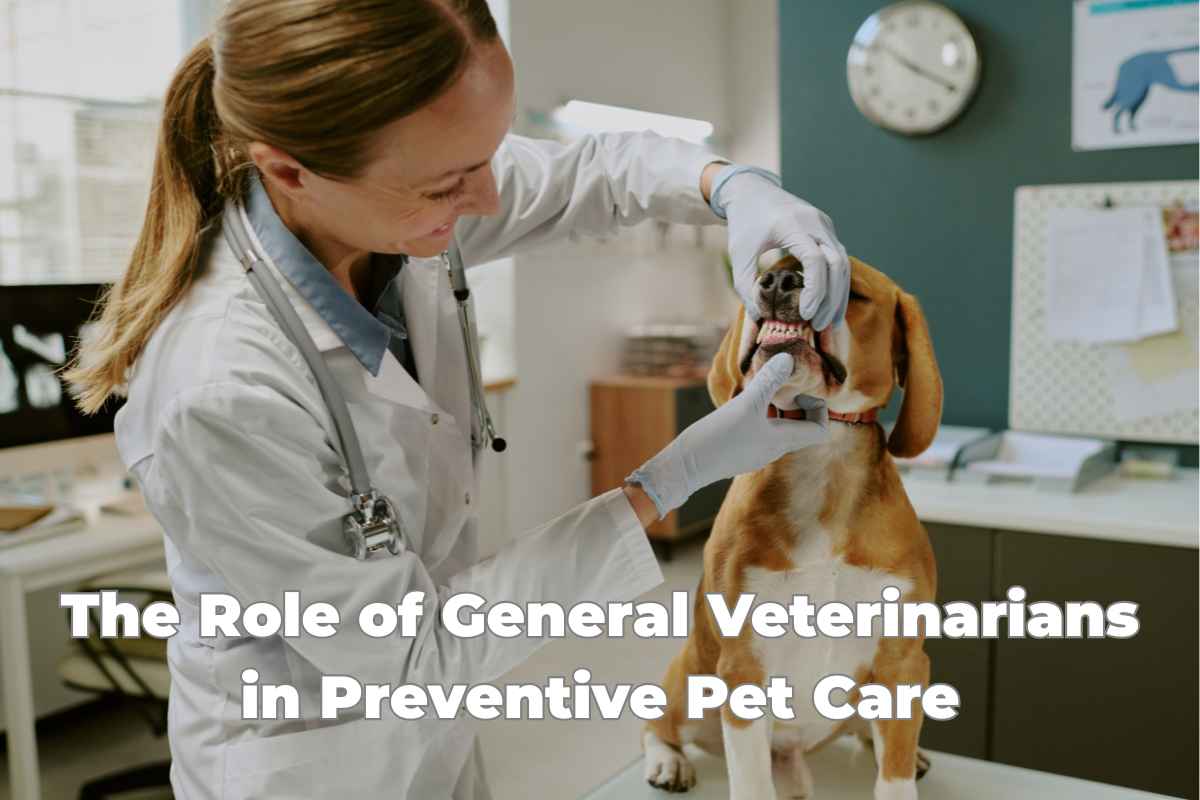
- Check eyes, ears, nose, mouth, and teeth
- Feel the abdomen and joints
- Look at skin and coat
Your vet may also suggest blood tests, urine tests, or stool tests. These tests can show early kidney disease, diabetes, infections, or parasites long before your pet acts sick.
Vaccines and parasite control
Vaccines train your pet’s immune system to fight certain germs. Routine shots protect against rabies and other deadly diseases. Many states require rabies shots for dogs and sometimes for cats. The American Veterinary Medical Association explains common vaccines and how often your pet may need them.
Parasite control is also part of preventive care. Fleas, ticks, worms, and mites can cause pain, blood loss, skin problems, or organ damage. They can also spread disease to people.
Your vet will help you choose safe prevention for your pet’s size, age, and lifestyle. You might use monthly pills, topical drops, or collars. Your vet will also teach you how to watch for signs of parasites at home.
Nutrition, weight, and behavior
Food, weight, and behavior shape daily life. General veterinarians look at all three.
Your vet can:
- Recommend food based on age, breed, and health
- Set safe weight loss or gain goals
- Explain feeding schedules and portions
- Discuss chewing, scratching, barking, or litter box issues
Many behavior problems start with pain, fear, or confusion. A vet exam can uncover hidden pain in joints, ears, teeth, or skin. When you treat the cause, behavior often improves.
How general vets compare with emergency and specialty care?
You may wonder why you need a general vet if you can go to an emergency clinic when trouble hits. The answer is simple. Emergency care responds to crisis. General care works to prevent crisis.
|
Type of care |
When you use it |
Main focus |
Typical cost impact |
|
General veterinarian |
Routine checkups and early concerns |
Prevention, early detection, guidance |
Lower long term costs through early care |
|
Emergency clinic |
Accidents, sudden illness, after hours |
Stabilizing and urgent treatment |
Higher single visit costs |
|
Specialist veterinarian |
Complex or rare conditions |
Focused care in one body system |
Higher costs and longer treatment plans |
Your general vet often works with emergency and specialist teams when needed. That teamwork gives your pet steady care from first concern through follow up.
What to expect at a preventive care visit?
You can make each visit count. A typical preventive visit follows three steps.
1. Before the visit. Write down questions. Note changes in appetite, thirst, sleep, or mood. Bring records of any past care from other clinics.
2. During the visit. Share your notes. Ask the vet to explain any findings in plain words. Request written instructions for medicine, diet, or follow up.
3. After the visit. Watch your pet and write down any changes. Call the clinic if you see new signs of trouble or if you struggle with the care plan.
This clear routine helps you and your vet work as a strong team.
Preventive care across your pet’s life stages
Your pet’s needs change with age. General veterinarians adjust care at each stage.
- Puppies and kittens. Series of vaccines. Parasite checks. Spay or neuter planning. Training and social tips.
- Adult pets. Yearly or twice yearly exams. Weight and dental checks. Ongoing parasite control.
- Senior pets. More frequent exams. Blood and urine tests. Joint checks. Pain control and home safety planning.
Early planning for aging keeps your pet more steady and safe in later years. You can adjust ramps, beds, food bowls, and routines before your pet struggles.
How you can support preventive care at home?
Your actions between visits matter as much as clinic care. Three daily habits support your vet’s work.
- Feed measured meals and limit treats
- Provide regular, gentle exercise that fits your pet’s ability
- Check ears, teeth, skin, and paws during quiet time
Quick home checks help you spot lumps, sores, weight shifts, or new fears. When you report changes early, your vet can respond before a small problem grows.
Taking the next step
If your pet has not had a wellness visit in the past year, schedule one now. Bring your questions. Ask for a clear preventive care plan. Work with your general veterinarian and your local clinic, such as a trusted Los Altos animal hospital, to build steady care.
You give your pet food, shelter, and love. A general veterinarian adds medical guidance and early protection. Together, you create a safe, steady life that honors the bond you share.
Comments (0)





Recent Blogs


Top Local Business


About Us
Welcome to Punnaka.com – your global gateway to businesses, opportunities, savings. Connecting you globally with listings of Businesses, Malls, Brands, Franchises, Offers, Coupons, Freebies, Articles, Blogs, Press Release etc. List Locally, Grow Globally!