Halloween in the USA – Costumes, Haunted Attractions & Modern Celebration
Halloween in the USA – Costumes, Haunted Attractions & Modern Celebration

usa holiday
3 April 2026
0 Comments
Description
Halloween in the United States – Costumes, Haunted Attractions & Modern Celebrations
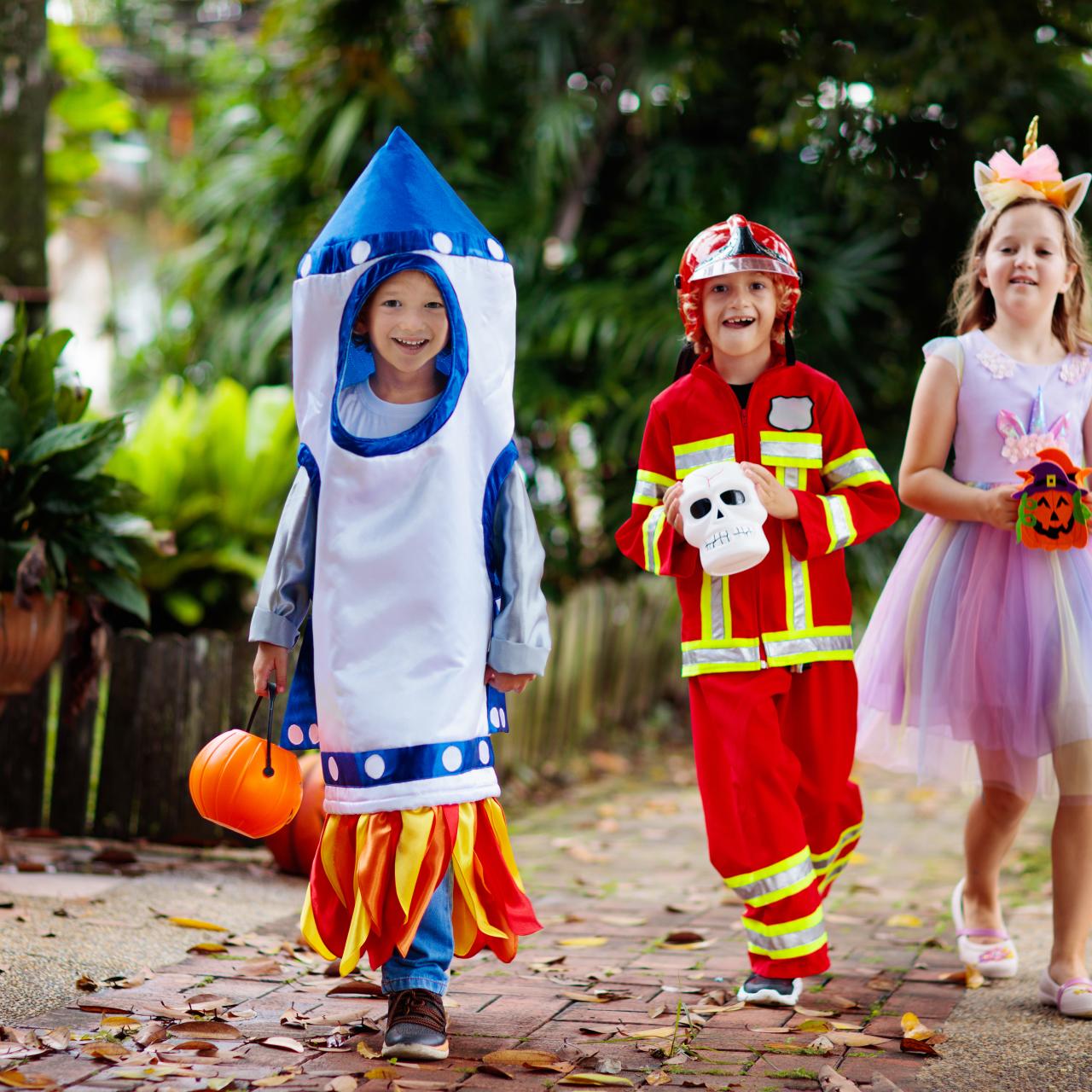
Halloween in the United States is one of the most vibrant, imaginative, and widely celebrated festivals of the year. Observed annually on October 31, it blends ancient traditions, cultural evolution, and modern entertainment into a unique celebration of fun, fear, and fantasy. What began as a spiritual observance tied to the ancient Celtic festival of Samhain has transformed into a largely secular holiday filled with costumes, haunted attractions, candy, and community events.
Today, Halloween represents a fusion of tradition and creativity—where children, families, and adults alike participate in activities ranging from trick-or-treating and pumpkin carving to immersive haunted experiences and elaborate costume parties.
History and Evolution of Halloween in the USA
Halloween traces its roots back over 2,000 years to the Celtic festival of Samhain, when people believed that the boundary between the living and the dead blurred. To ward off spirits, they lit bonfires and wore disguises.
As Christianity spread, the festival merged with All Saints’ Day, creating “All Hallows’ Eve,” which eventually became Halloween.
The holiday arrived in America primarily through Irish immigrants in the 19th century, evolving over time into a community-centered celebration. Early American Halloween was often mischievous, involving pranks and vandalism, but by the 20th century, it transformed into a safer, family-friendly event featuring organized activities like trick-or-treating.
Costumes – From Ancient Rituals to Pop Culture Icons

Origins of Costume Tradition
Wearing costumes is one of the oldest Halloween traditions. Initially, people dressed as ghosts or spirits to confuse wandering souls and protect themselves.
Evolution of Costumes
Over time, costumes evolved dramatically:
* Early Themes: Ghosts, witches, skeletons, and demons
* 20th Century: Homemade costumes, masks, and simple disguises
* Modern Era: Pop culture characters, superheroes, celebrities, and fantasy figures
Today, Halloween costumes are not limited to children. Adults actively participate through themed parties and events, and even pets are dressed in costumes, reflecting the holiday’s playful nature.
Costume Trends in the USA
Modern costume trends often include:
* Movie and TV characters
* Viral internet trends
* Horror icons (zombies, vampires)
* Funny or satirical costumes
Halloween has also become a major economic event, with billions spent annually on costumes, decorations, and candy in the United States.
Haunted Attractions – America’s Love for Fear

Haunted attractions are a defining feature of Halloween in the United States, offering immersive and adrenaline-filled experiences.
Types of Haunted Attractions
1. Haunted Houses
These are professionally designed walk-through experiences filled with actors, special effects, and horror themes. Thousands of such attractions operate across the U.S., especially during the Halloween season.
Examples include:
* Large-scale haunted houses with cinematic effects
* Multi-room horror experiences lasting 20–40 minutes
* Interactive “escape horror” concepts
2. Haunted Hayrides
Visitors ride through dark farms or forests while encountering staged horror scenes. Some include storytelling elements and live actors.
3. Corn Mazes & Scream Parks
Outdoor attractions combine mazes, haunted trails, and multiple scare zones.
4. Famous Haunted Attractions
* Massive multi-attraction farms and haunted parks
* Long-running haunted houses with Hollywood-level effects
* Attractions drawing millions of visitors annually
These experiences are designed not only to scare but also to entertain, combining theatrical storytelling, technology, and creativity.
Why People Enjoy Fear
Psychologically, haunted attractions provide a safe way to experience fear. The thrill, combined with social interaction, makes them highly popular among teenagers and adults.
Trick-or-Treating and Community Celebrations

Trick-or-Treating
One of the most iconic Halloween traditions, children dress in costumes and go door-to-door collecting candy. This practice became widespread in the early 20th century as a way to reduce Halloween mischief and promote community engagement.
Pumpkin Carving
Pumpkins are carved into “jack-o’-lanterns” with spooky faces and lit from within, symbolizing protection against evil spirits.
Neighborhood Decorations
Homes across the United States are decorated with:
* Skeletons and ghosts
* Spider webs and tombstones
* Lights, pumpkins, and inflatables
Community Events
* School Halloween parties
* Parades and costume contests
* Fall festivals and pumpkin patches
Modern Halloween Celebrations in the USA

Halloween today is a blend of tradition and modern entertainment, with activities for all age groups.
1. Halloween Parties
Adults celebrate through:
* Costume parties
* Themed nightclub events
* Private gatherings
2. Theme Park Events
Major theme parks host large-scale Halloween events featuring:
* Haunted mazes
* Live shows
* Special effects and immersive storytelling
3. Halloween Tourism
Certain destinations become Halloween hotspots:
* Historic towns with ghost stories
* Cities known for festivals and parades
* Locations associated with supernatural legends
4. Digital & Social Media Influence
Modern Halloween is heavily influenced by:
* Social media trends
* Viral costume ideas
* Online decoration inspiration
5. Commercialization
Halloween has grown into a multi-billion-dollar industry in the United States, covering:
* Costumes
* Candy
* Decorations
* Entertainment experiences
Cultural Significance of Halloween
Halloween reflects deeper cultural themes:
* Facing fear in a safe environment
* Celebrating creativity and imagination
* Community bonding through shared traditions
* Blending folklore with modern entertainment
Though it has ancient roots, Halloween today is primarily a celebration of fun, identity, and storytelling.
Interesting Facts About Halloween in the USA
* Celebrated every year on October 31
* Originates from a 2,000-year-old Celtic festival
* Billions of dollars are spent annually on Halloween-related items
* Thousands of haunted attractions operate nationwide
* Costumes are worn by children, adults, and even pets
FAQs – Halloween in the USA
1. Why is Halloween celebrated on October 31?
It originates from the Celtic festival of Samhain, marking the end of harvest and believed to be a time when spirits could return to earth.
2. Why do people wear costumes on Halloween?
Originally, costumes were worn to disguise oneself from spirits. Today, they are used for fun and creative expression.
3. What is trick-or-treating?
It is a tradition where children go door-to-door in costumes asking for candy, promoting community participation.
4. Are haunted houses real?
Most are staged entertainment experiences designed to create fear using actors and special effects.
5. Is Halloween only for children?
No, adults actively celebrate through parties, haunted attractions, and themed events.
6. Why are pumpkins associated with Halloween?
Pumpkins are carved into jack-o’-lanterns, a tradition linked to warding off evil spirits.
7. How popular is Halloween in the USA?
It is one of the most widely celebrated holidays, involving millions of participants each year.
Conclusion
Halloween in the United States is a fascinating blend of ancient tradition and modern creativity. From eerie haunted attractions and imaginative costumes to vibrant community celebrations and large-scale events, it offers something for everyone.
What makes Halloween truly unique is its ability to evolve—adapting to cultural trends while preserving its mysterious and playful spirit. Whether through the laughter of children trick-or-treating, the thrill of haunted houses, or the excitement of costume parties, Halloween continues to captivate millions across the country every year.
Comments (0)





Recent Blogs


Top Local Business


About Us
Welcome to Punnaka.com – your global gateway to businesses, opportunities, savings. Connecting you globally with listings of Businesses, Malls, Brands, Franchises, Offers, Coupons, Freebies, Articles, Blogs, Press Release etc. List Locally, Grow Globally!