
dadar flower market mumbai
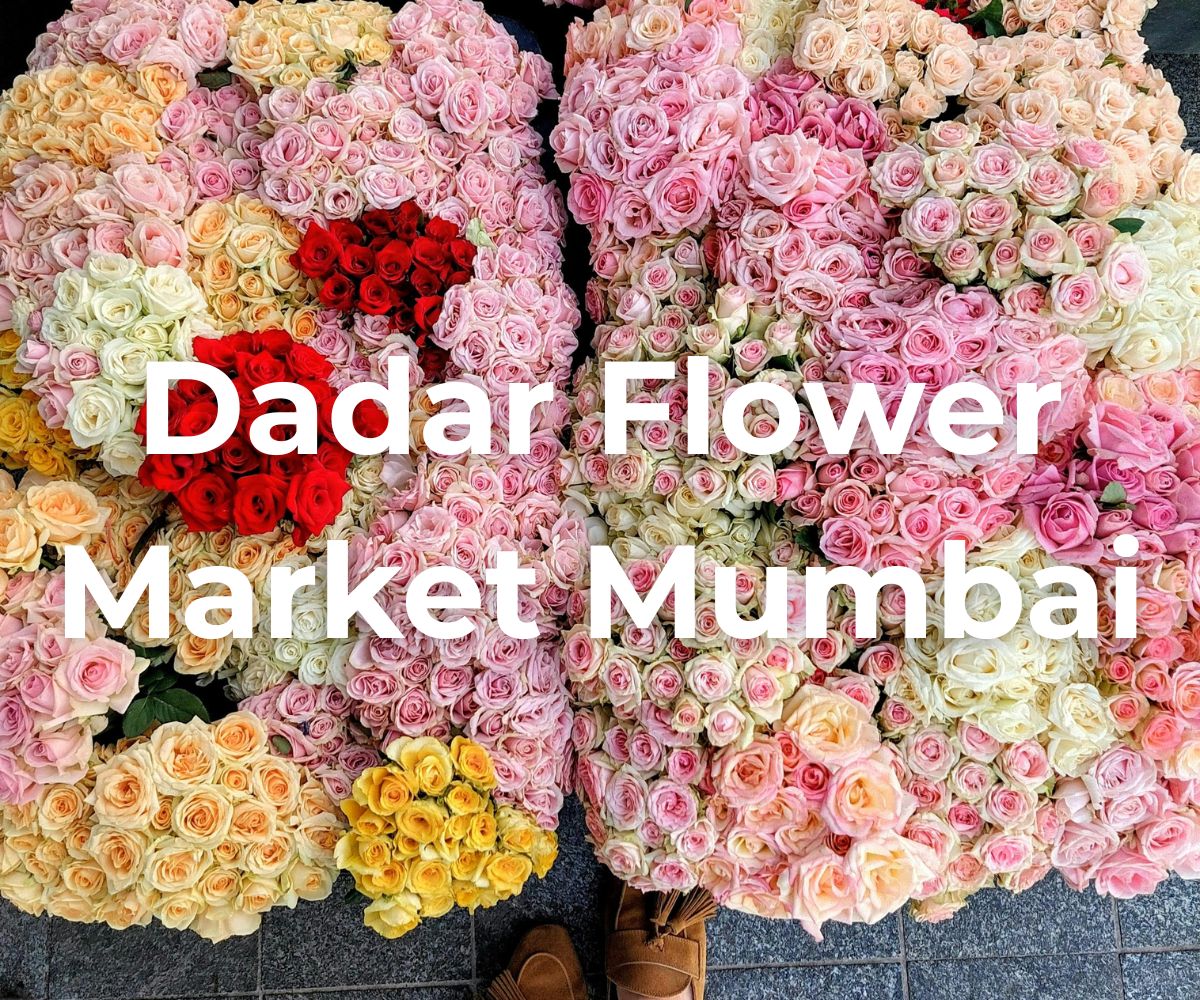
Description
Dadar Flower Market Mumbai – A Complete Guide to the City's Floral Heartbeat
Nestled beneath the buzzing flyover at Dadar West, just steps away from one of Mumbai's busiest railway stations, lies a world that awakens before the city does—a world of fragrance, colours, rituals, and relentless energy. The Dadar Flower Market, often fondly called Phool Gully, is not just a marketplace. It is a living ecosystem, a cultural treasury, and one of Mumbai's most defining early-morning experiences.
The market's narrow, fragrant lanes overflow with marigolds, roses, jasmine, tuberose, orchids, lotuses, and exotic imports, creating an irresistible pull for locals, florists, decorators, and visitors from around the world. As described across multiple documents you shared, the market stands as one of Mumbai's largest, oldest, and most significant wholesale flower hubs, sustaining livelihoods, traditions, and celebrations across the city.
This detailed guide brings together everything you need to know—history, culture, atmosphere, flower varieties, timings, access tips, photography insights, and the human stories behind this magical marketplace.
1. History and Origins of Dadar Flower Market
Long before Mumbai developed its skyline and its suburban sprawl, the earliest flower sellers gathered near Dadar station with baskets of roses and marigolds brought in from surrounding villages. The city expanded rapidly between the 1960s and 1980s, and so did the need for temples, weddings, hotels, and homes to access fresh flowers daily.
The flower trade eventually shifted from Crawford Market and similar small hubs to the more accessible Dadar West—an area perfectly connected by rail and road.
Over the years, the market evolved into a sprawling stretch under the flyover and along Senapati Bapat Marg, now home to more than 700 stalls that anchor Mumbai's daily floral consumption.
The market became the backbone of flower distribution across the city, connecting rural growers from Maharashtra, Karnataka, Tamil Nadu, and beyond with the urban cultural life of Mumbai.
2. Location – Where Exactly Is Dadar Flower Market?
The market sits in the heart of Dadar West:
Under the Dadar Flyover
Along Senapati Bapat Marg
Just outside Dadar Railway Station (West exit)
This central placement makes it among the most accessible and busiest flower hubs in India. Anyone stepping out of the west exit of the station is instantly greeted by the wafting scent of mogra and the bright orange of marigold mountains spilling across the lane.
3. Timings – When Does the Market Open?
The timing of Dadar Flower Market is part of its magic. This is a place where the day begins long before dawn:
Official Opening: Around 4:00 AM
Peak Wholesale Rush: 4:30 AM – 7:30 AM
Retail-Friendly Hours: 7:30 AM – 10:30 AM
Some Stalls Remain: Until 6–8 PM, depending on stock
For photographers, culture seekers, and early birds, the best window is 5:00 AM – 7:00 AM, when the market brims with freshness and activity—trucks unloading, vendors arranging baskets, and porters racing through the lanes.
4. What the Market Looks and Feels Like – A Sensory Explosion
The moment you enter, you are enveloped in a sensory world that exists nowhere else in Mumbai.
Visual Richness
The alleys are packed with:
Towering heaps of marigolds
Crimson, pink, and white roses
Long stalks of fragrant tuberose
Bunches of purple orchids
Lotus buds and petals
Exotic imported lilies and gerberas
The burst of colours is so intense that it feels like walking through a living painting.
Fragrance Everywhere
Mogra, rose, rajnigandha, and crushed stems create a layered aroma that fills the air.
Sounds of the Market
Vendors shouting prices
Buyers bargaining
Trains whistling nearby
Porters calling out as they balance 20–40 kg sacks of flowers
The constant murmur of business
Energy & Chaos
The market is bustling, loud, and beautifully chaotic. Every individual—from farmers to shop owners to decorators—plays a part in keeping this fragrance-filled machine running.
5. Types of Flowers Available – A Floral Universe
Thanks to Mumbai's enormous cultural needs, Dadar Market offers one of the widest varieties of flowers in India.
A. Traditional Indian Flowers
These dominate the market, used for daily rituals and festivals.
Marigolds (Genda)
Bright orange & yellow
Essential for Ganesh Chaturthi, Diwali, weddings
Sold loose or in garlands
Roses
Red, pink, white, peach varieties
Sold in bundles
Rose petals available by the kilo
Jasmine (Mogra, Jai, Malli)
Highly fragrant
Used for garlands, hair adornment, temple offerings
Tuberose (Rajnigandha)
Long stems with creamy blossoms
Popular in garlands and décor
Chrysanthemums
White, yellow, purple
Hardy flowers used in rituals and events
Lotus & Lotus Petals
Deeply revered in temples
Seasonal but high in demand
B. Imported & Exotic Flowers
Catering to upscale events and luxury hotels:
Lilies (white, yellow, pink)
Orchids (purple, white, blue)
Gerbera daisies
Carnations
Seasonal imports like tulips, peonies, daffodils
These flowers are ideal for weddings, corporate events, and premium décor.
C. Ritual Accessories
Besides flowers, vendors also sell:
Mango leaves & banana leaves for rituals
Torans
Floral jewelry
Ready-made deity garlands
6. Who Shops Here? – From Priests to Planners
Wholesale Buyers
Florists from all over Mumbai
Wedding & event decorators
Hotel representatives
Temple committees
Bulk buyers for festivals
They often pre-book large quantities and arrive earliest in the morning.
Retail Customers & Tourists
Even if you only need one garland or a handful of roses, vendors happily sell in smaller quantities.
7. Market Prices – Affordable & Flexible
Prices shift daily depending on:
Festivals (high demand = higher price)
Weather
Flower supply
Time of day
General Price Ranges (as per your uploaded files):
Marigold: ₹50–₹80/kg
Rajnigandha: ₹150/kg
Chrysanthemums: ₹160/kg
Roses: ₹50 for a bunch of 20
Rose petals: ₹120/kg
Wholesale buyers get better rates, but retail shoppers also find incredible bargains.
Bargaining is expected but should be polite and friendly.
8. The Cultural Significance of Dadar Flower Market
This market is a massive contributor to:
Religious Life
Flowers from here fill:
Siddhivinayak Temple
Local mandirs
Household puja rooms
Every morning, thousands buy marigolds and mogra for rituals.
Festivals
During Ganesh Chaturthi, Navratri, Diwali, and Christmas, the market becomes explosively busy with flower mountains everywhere.
Weddings
Indian weddings rely heavily on fresh flowers:
Mandap décor
Venue entrances
Bridal varmala (garlands)
Daily Life
Many households buy tiny quantities daily for prayer and home décor.
9. How to Reach Dadar Flower Market
By Train
The easiest and fastest—Dadar Station is a major interchange on Central & Western lines. Exit on the West side, and the market is directly visible.
By Metro
Kirti College metro station is nearby.
By Road
BEST buses and taxis connect easily, but early morning is recommended to avoid traffic.
10. Photography at Dadar Flower Market
This market is a paradise for photographers due to:
Soft early-morning golden light
Dramatic shadows under the flyover
Colourful heaps of flowers
Expressive vendor portraits
Dynamic movement of people
As multiple documents note, ask for permission before taking close-up shots of people.
11. Practical Tips for Visiting
Arrive early (before 7 AM)
Wear sturdy shoes—the ground can be wet
Carry cash—many vendors prefer it
Expect crowds
Keep valuables secure
Be polite when bargaining
Ask before taking photos
12. Seasonal Variations – When the Market Transforms
Ganesh Chaturthi:
Massive demand for marigolds and hibiscus.
Diwali:
Yellow-orange flowers dominate.
Valentine's Day:
Rose prices skyrocket.
Wedding Seasons:
Exotic flowers flood the market.
13. The People Behind the Market – Human Stories
Behind every basket is a chain of:
Farmers
Transporters
Wholesalers
Porters
Garland makers
Vendors
Women, in particular, play a huge role as expert garland weavers and stall managers. Many families have run their stalls for generations, passing down skills and business knowledge.
14. Economic Importance
The Dadar Flower Market sustains thousands of jobs:
Supports rural farmers
Powers wedding & event industries
Drives temple economies
Provides daily income for vendors and porters
Its informal but efficient structure keeps Mumbai's cultural life blooming.
15. Challenges the Market Faces
Congestion & overcrowding
Sanitation and floral waste
Urban development pressures
Competition from online flower delivery services
Despite all this, the market thrives through resilience and tradition.
16. Why You Must Visit Dadar Flower Market
Whether you're a traveller, photographer, or local, this market offers:
An authentic slice of Mumbai life
A burst of colours and fragrances
The best-quality flowers at unbeatable prices
Beautiful cultural moments
Endless photo opportunities
There is no better way to witness Mumbai's spirit than to be here at dawn, surrounded by flowers and humanity in motion.
Conclusion
The Dadar Flower Market is more than just a floral marketplace—it is a living, breathing part of Mumbai's identity. A visit here immerses you in a world where tradition meets commerce, where fragrances fill the air, where colours overwhelm the senses, and where thousands of lives connect through the delicate beauty of flowers.
From early-morning truckloads of marigolds to evening leftovers sold at discounted rates, the market pulses with Mumbai's unstoppable rhythm—energetic, colourful, chaotic, and deeply human.
Whether you're shopping, photographing, exploring, or simply absorbing the atmosphere, the Dadar Flower Market leaves you with memories that linger long after the fragrance fades.
Frequently Asked Questions (FAQs)
Here are some Frequently Asked Questions (FAQs) about Dadar Flower Market, Mumbai.
1. Where is Dadar Flower Market located in Mumbai?
Dadar Flower Market is located in Dadar West, just outside Dadar Railway Station (West side), mainly under and around the Dadar flyover along Senapati Bapat Marg. It is commonly known as Phool Gully or Dadar Phool Market.
2. What are the timings of Dadar Flower Market?
The market starts very early in the morning:
Opens: Around 4:00 AM
Peak wholesale hours: 4:30 AM – 7:30 AM
Retail-friendly time: 7:30 AM – 10:30 AM
Some stalls continue until late afternoon or early evening, depending on leftover stock.
3. What is the best time to visit Dadar Flower Market?
The best time to visit depends on what you want:
For photography and authentic chaos: Between 5:00 AM and 7:00 AM
For casual shopping with slightly fewer crowds: Between 7:30 AM and 9:30 AM
4. How do I reach Dadar Flower Market?
The easiest way is by local train:
Take a train to Dadar Station (Central or Western line).
Exit on the West side and walk towards the flyover; the market begins almost immediately.
You can also reach by BEST bus, taxi, auto-rickshaw, or nearby metro (Kirti College area).
5. Is Dadar Flower Market only for wholesale buyers?
No. While it is primarily a wholesale market, it is open to everyone.
Florists, event planners, decorators, hotels, and temples buy in bulk.
Individual shoppers and tourists can buy small garlands, loose flowers, and simple bouquets at very reasonable prices.
6. What kinds of flowers are available at Dadar Flower Market?
You'll find a huge variety, including:
Traditional flowers: Marigolds, roses, jasmine (mogra), tuberose (rajnigandha), chrysanthemums, lotus
Exotic flowers: Orchids, lilies, gerberas, carnations and seasonal imported blooms
Ritual items: Banana leaves, mango leaves, tulsi, ready-made garlands, floral jewellery, torans
7. Are prices cheaper than local florists?
Yes, prices are generally much lower than typical neighbourhood florists because this is a wholesale hub. Buying directly from Dadar can save a lot of money, especially for:
Weddings
Festivals
Home décor
Bulk temple offerings
8. Can I bargain at Dadar Flower Market?
Absolutely. Bargaining is part of the culture here.
Vendors often quote a slightly higher price, especially if you're new or buying in small quantities.
Be polite, smile, and negotiate gently for a better deal.
9. Is it safe to visit Dadar Flower Market early in the morning?
Yes, the area is generally safe, even in the early hours, because:
The market is very busy
There are always vendors, porters, buyers, and commuters around
Just take normal precautions: keep an eye on your phone, wallet, and camera in crowded lanes.
10. What should I wear and carry when visiting?
Wear comfortable, closed shoes – the ground can be wet, muddy, and full of crushed petals.
Avoid very delicate clothes; you may brush against baskets or flowers.
Carry a cloth or jute bag for your purchases.
Keep some cash handy, as not all vendors accept digital payments.
11. Is Dadar Flower Market good for photography?
Yes, it's one of the best photography spots in Mumbai:
Beautiful natural colours
Early-morning light under the flyover
Busy scenes of vendors, buyers, garland makers, and porters
Always be respectful: ask permission before taking close-up portraits of vendors.
12. What role does Dadar Flower Market play in Mumbai's culture?
Dadar Flower Market is deeply tied to:
Daily puja in homes and temples
Ganesh Chaturthi, Diwali, Navratri, weddings, and festivals
Hotel décor, corporate events, and celebrations
It connects rural farmers to urban rituals, making it a vital part of Mumbai's spiritual and social life.
13. Does the market get more crowded during festivals?
Yes. During Ganesh Chaturthi, Diwali, Navratri, Valentine's Day, and peak wedding seasons, the market becomes extremely crowded:
Prices rise due to high demand
Flower heaps grow bigger
The atmosphere becomes even more energetic and colourful
14. Are there any facilities to park a car near the market?
Parking is limited and can be tricky:
Some paid parking spots and lanes nearby may be available.
Early morning is easier for parking than later in the day.
However, because of traffic congestion around Dadar, most people prefer trains, autos, or taxis instead of driving themselves.
15. Is Dadar Flower Market suitable for tourists?
Yes, it's a must-visit spot for tourists who want to see:
Real local life
A working wholesale market
Mumbai waking up at dawn in a burst of colour and fragrance
It's not a polished, touristy place—it's raw, authentic, and unforgettable.
16. Is dadar flower market open on Sunday
Yes — the Dadar Flower Market in Mumbai is open on Sundays, as well as all other days of the week.
Comments (0)





Recent Blogs


Top Local Business


.png)


About Us
Welcome to Punnaka.com – your global gateway to businesses, opportunities, savings. Connecting you globally with listings of Businesses, Malls, Brands, Franchises, Offers, Coupons, Freebies, Articles, Blogs, Press Release etc. List Locally, Grow Globally!