
why preventive dental exams are vital before cosmetic work
Description
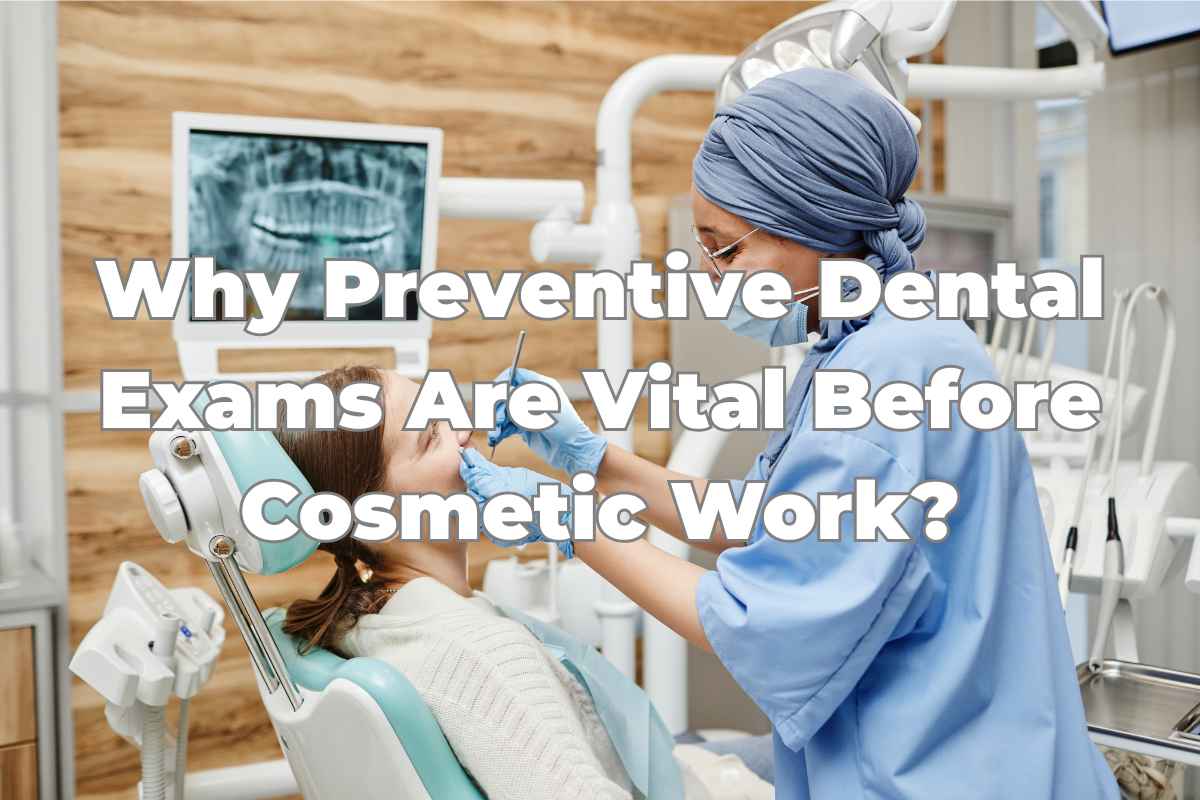
Why Preventive Dental Exams Are Vital Before Cosmetic Work?
You might focus on the look of your teeth first. Yet before whitening, veneers, or bonding, you need a strong base. Preventive dental exams protect you from pain, infection, and surprise costs later. They find hidden decay, gum disease, and bite problems that can destroy cosmetic work fast.
They also reveal medical issues that show up in your mouth first. During an exam, your dentist checks your teeth, gums, jaw, and past dental work. X‑rays can show problems you cannot see. Cleanings remove buildup that weakens enamel and stains new cosmetic work.
Regular exams help you and your dentist plan safe changes that fit your health, budget, and goals. At Southgate Farms, Indianapolis dentist visits, preventive care comes first for this reason. You deserve a smile that looks good and also stays strong.
Why a healthy mouth must come first?
Cosmetic work covers what you and others see. Preventive exams protect what holds that work in place. If the base is weak, every cosmetic step sits on risk.
During a preventive visit, your dentist looks for:
- Tooth decay between teeth and under fillings
- Gum disease that loosens teeth
- Cracks, chips, and worn teeth from grinding
- Infection at the root of a tooth
- Dry mouth from medicine or health conditions
Each of these can make cosmetic work fail. Crowns can loosen. Veneers can pop off. Whitening can trigger sharp pain. You avoid these problems when you fix disease first.
How problems in your mouth affect cosmetic work?
Every cosmetic choice depends on the health of tooth structure, gums, and bone. If any of these are weak, the risk of failure grows.
Common hidden problems and what they can do to cosmetic work
|
Hidden problem |
What you might notice |
Risk for cosmetic work |
|
Early tooth decay |
Food catches, mild sweet sensitivity |
Decay spreads under veneers or bonding and causes breakage |
|
Gum disease |
Bleeding when brushing, bad breath |
Gums pull back and expose edges of crowns or veneers |
|
Teeth grinding |
Morning jaw soreness, flat edges on teeth |
Chips or fractures in veneers, bonding, and crowns |
|
Bite imbalance |
One side of the mouth feels “high” when biting |
Uneven pressure that loosens or cracks cosmetic work |
|
Dry mouth |
Sticky feeling, need to sip water often |
Fast decay around cosmetic work and fillings |
When you treat these problems first, cosmetic work lasts longer and feels more natural.
What happens during a preventive dental exam?
A good exam is calm, step by step, and clear. You should know what is happening and why.
You can expect:
- Medical and dental history review
- Head, neck, and jaw check
- Oral cancer screen of cheeks, tongue, and throat
- Gum measurements to check for disease
- Tooth by tooth exam with a mirror and explorer
- X rays when needed to see roots and bone
- Professional cleaning to remove plaque and tartar
The National Institute of Dental and Craniofacial Research explains how exams and cleanings lower your risk of decay and gum disease.
Why timing matters before whitening or veneers?
Whitening and veneers change how light hits your teeth. They also change how your teeth feel. If teeth or gums are not healthy, these changes can cause strong discomfort.
Before whitening, your dentist should:
- Treat cavities
- Calm any tooth sensitivity
- Clean off surface stains and tartar
- Check for exposed roots
Before veneers or bonding, your dentist should:
- Check bite and jaw movement
- Make sure gums are not swollen
- Fix cracks and deep decay
- Review any history of grinding
The American Dental Association explains that untreated gum disease and decay can lead to tooth loss. That loss can upend cosmetic plans.
Cost and time: preventive care versus repair
Preventive exams may feel like one more visit. Yet they usually save money and time when you want cosmetic care.
Preventive focus compared with “fix it later” approach
|
Approach |
Short term effect |
Long term effect |
|
Preventive exam before cosmetic work |
One or two visits for exam, X rays, and cleaning |
Lower chance of repairs, fewer emergencies, stronger smile |
|
No exam before cosmetic work |
Faster change in appearance |
Higher chance of failure, more visits, higher total cost |
|
Regular checkups every 6 to 12 months |
Small steady cost |
Early problem detection and longer lasting cosmetic work |
When you plan cosmetic work on top of disease, you often pay twice. First for the look. Then for repair or replacement.
How preventive exams support your whole health?
Your mouth can show early signs of diabetes, heart disease, and sleep apnea. Dentists often see clues before other providers do. Red swollen gums, dry mouth, and worn teeth can all point to deeper health problems.
Through regular exams you can:
- Catch infections before they spread
- Lower the strain on your immune system
- Protect chewing so you can eat healthy food
Stronger general health supports healing after any cosmetic work. You recover faster. Your results last longer.
Planning your cosmetic goals with your dentist
After a full exam, you and your dentist can build a clear step by step plan. You can talk about:
- What must be treated now?
- What can wait and be watched?
- Which cosmetic options match your teeth and gums?
- How to stage treatment around your budget and schedule?
This plan helps you avoid rush choices. It also helps your family plan time off work or school for visits.
Steps you can take today
You can move toward safe cosmetic work with three simple steps.
- Schedule a preventive exam and cleaning before any cosmetic consult.
- Bring a written list of your goals and questions.
- Ask your dentist to explain risks if disease is not treated first.
When you respect preventive care, cosmetic work stops feeling like a quick fix. It becomes the last step in a careful plan that protects your comfort, your money, and your peace of mind.
Comments (0)





Recent Blogs


Top Local Business


About Us
Welcome to Punnaka.com – your global gateway to businesses, opportunities, savings. Connecting you globally with listings of Businesses, Malls, Brands, Franchises, Offers, Coupons, Freebies, Articles, Blogs, Press Release etc. List Locally, Grow Globally!