
5 preventive strategies that help patients avoid tooth decay
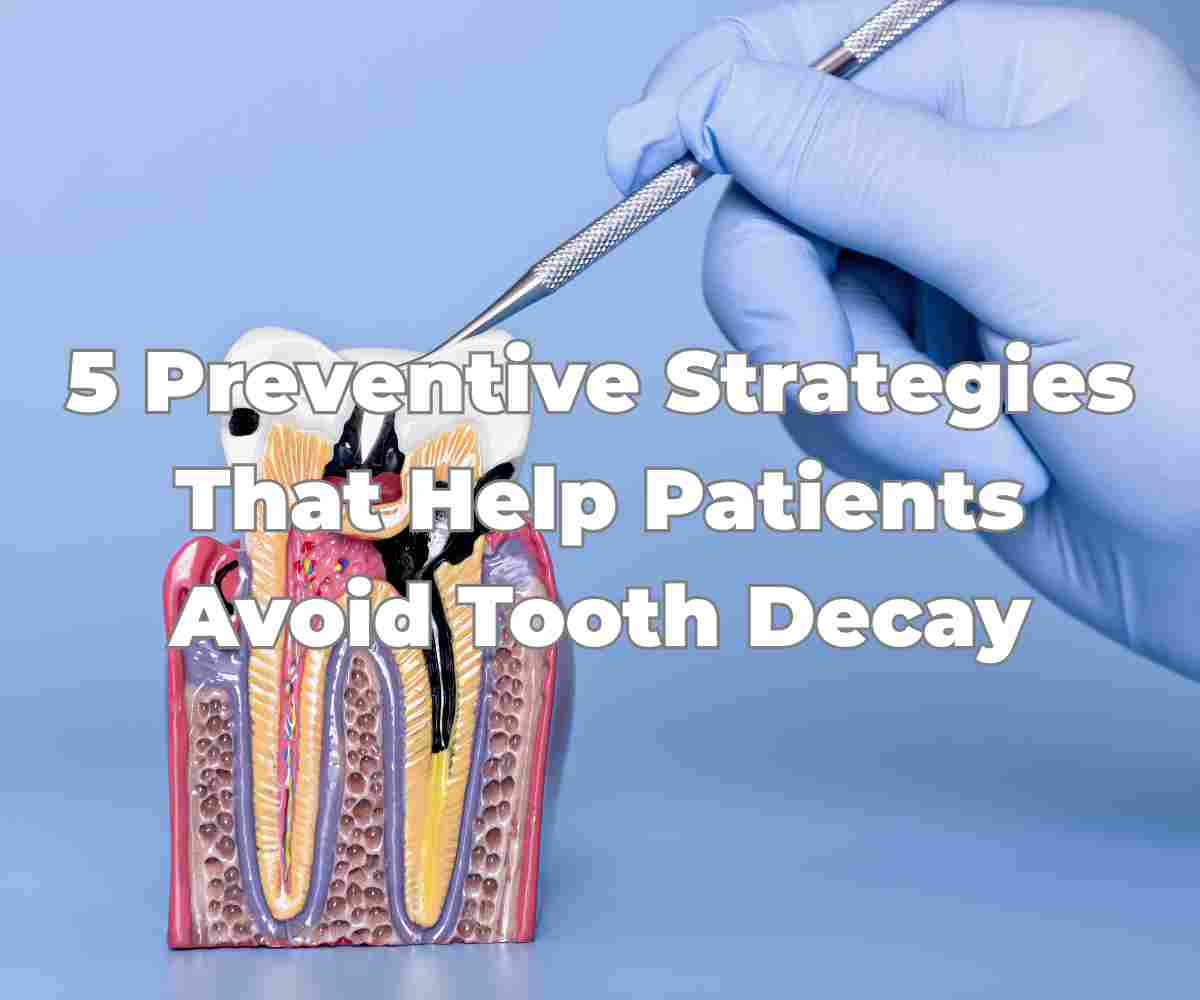
Description
5 Preventive Strategies That Help Patients Avoid Tooth Decay
Tooth decay is a common problem, but you have the power to fight it. Many people suffer from cavities, which happen when tooth enamel breaks down.
This can lead to pain, infection, and even tooth loss. While poor dental habits are often the cause, you can take simple steps to protect your teeth. You will learn how to prevent decay by using practical methods that make a real difference.
A trusted Barlett dentist shares key strategies to keep your smile healthy. By taking action now, you can ensure your teeth remain strong and pain-free. These strategies focus on everyday habits that anyone can adopt. They don't require much effort, and they save you from future dental work.
Embrace these techniques for a healthier, brighter smile. You owe it to yourself to maintain good oral health. Remember, prevention is key, and small changes can lead to big results.
1. Brush Properly Twice a Day
Brushing is the cornerstone of dental care. You should brush your teeth twice daily with fluoride toothpaste. Use a soft-bristled toothbrush. Replace it every three to four months.
The best technique is to hold the brush at a 45-degree angle to your gums. Move gently in a circular motion. Make sure you cover all surfaces.
This prevents plaque buildup, a major cause of tooth decay. According to the CDC, effective brushing can significantly reduce the risk of cavities. Always remember, a clean tooth cannot decay.
2. Floss Daily
Flossing is as important as brushing. It removes food particles and plaque between teeth where a brush can't reach. Floss once a day, and do it gently to avoid damaging your gums. By flossing, you prevent plaque turning into tartar, which only a dentist can remove.
Daily flossing reduces the risk of cavities and keeps your gums healthy. Consistent flossing is a proven method to maintain oral health and prevent decay.
3. Limit Sugary and Acidic Foods
Foods high in sugar and acid harm your teeth. Bacteria in your mouth feed on sugar, producing acid that erodes enamel. Limit these foods to protect your teeth.
Opt for nutritious snacks like fruits, vegetables, and nuts. Drink plenty of water, especially after meals, to wash away food particles and acids. Being mindful of your diet supports your efforts to prevent tooth decay.
|
Food |
Sugar Content (per 100g) |
Acid Level (pH) |
|
Soda |
10g |
2.5 |
|
Fruit Juice |
9g |
3.5 |
|
Milk |
5g |
6.5 |
|
Water |
0g |
7.0 |
4. Use Fluoride
Fluoride strengthens enamel and helps reverse early decay. Use fluoride toothpaste and rinse with fluoride mouthwash. Check if your local water supply contains fluoride.
It is a natural mineral known to protect teeth from decay. The American Dental Association supports fluoride use as a safe and effective way to prevent cavities. Consistent use of fluoride products is a simple step with great benefits.
5. Visit Your Dentist Regularly
Regular dental check-ups catch problems early. Visit your dentist at least twice a year for cleanings and exams. During these visits, your dentist removes tartar, checks for cavities, and provides personalized advice.
Early detection and treatment prevent minor issues from becoming major problems. Professional care complements your daily routines and ensures long-term dental health.
By following these strategies, you take control of your dental health. Effective brushing and flossing, smart dietary choices, fluoride use, and regular dental visits create a comprehensive approach to prevent tooth decay.
These simple, practical actions empower you to maintain a healthy, pain-free smile. Take charge today for lasting benefits.
Comments (0)





Recent Blogs


Top Local Business


About Us
Welcome to Punnaka.com – your global gateway to businesses, opportunities, savings. Connecting you globally with listings of Businesses, Malls, Brands, Franchises, Offers, Coupons, Freebies, Articles, Blogs, Press Release etc. List Locally, Grow Globally!